5 Professional Etiquette Tips for Building a Successful Creative Career
In the world of fashion, beauty, and creative arts, your personal brand is your most valuable asset. While a stunning portfolio and a curated social media feed are essential, the way you conduct yourself professionally behind the scenes is what builds a lasting, respected career. These unwritten rules of engagement are often more critical than what’s captured on camera. A solid grasp of professional etiquette ensures that you're remembered not just for your talent but for your reliability and integrity. In industries where networking and reputation are everything, mastering these skills is non-negotiable for long-term success.
First Impressions That Last
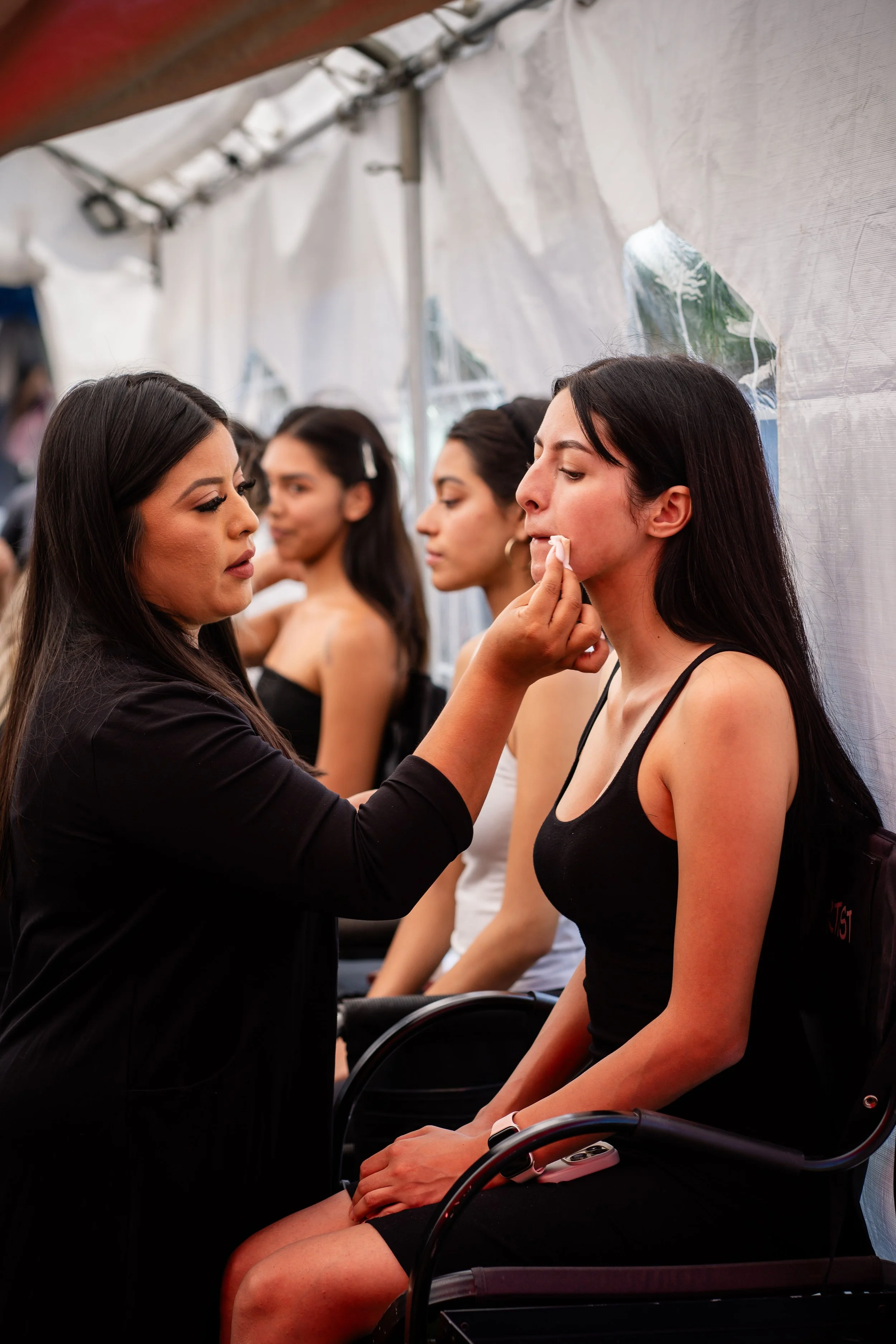
The old saying is true: you never get a second chance to make a first impression. In creative fields, this extends beyond just your look. Punctuality is paramount. Arriving on time (which means 10-15 minutes early) for a casting, meeting, or photoshoot shows respect for everyone else’s schedule. Prepare for your meetings. Know who you're meeting with, understand their brand or project, and have your portfolio or relevant materials ready to go. This preparation demonstrates that you are serious and invested. While your personal style is part of your brand, always dress appropriately for the specific professional context. A casting call for a commercial client has different expectations than a high-fashion editorial shoot. The core idea behind even informal corporate etiquette training is universal: show you are prepared, respectful, and ready to work.
Communicating Respectfully and Clearly
How you communicate can either build bridges or burn them. Professional communication should be clear, concise, and timely across all platforms. For emails, use a clear subject line, a polite greeting, and a professional closing. Respond to inquiries within 24 business hours, even if it’s just to acknowledge receipt and state when you can provide a more detailed answer. When communicating via text or direct message for business purposes, avoid overly casual slang, emojis, or delayed responses that can come across as unprofessional. If you need to decline a project or negotiate terms, do so politely and directly. Clear communication prevents misunderstandings, establishes you as a reliable business partner, and shows that you respect the other person’s time. It’s a simple but powerful way to manage your professional relationships and build a reputation for being easy and efficient to work with, much like the life lessons learned from working as a model.
Navigating Social and Professional Events
Industry events, from gallery openings to after-parties, are prime opportunities for networking, but they are still professional settings. The goal is to make genuine connections, not just to collect business cards. When you meet someone, focus on a quality conversation. Ask them about their work and listen attentively before talking about your own. Be mindful of your conduct; even if the atmosphere is relaxed, you are still representing your brand. It's wise to limit alcohol consumption to ensure you remain sharp and in control of your interactions. Know when to make a graceful exit. Leaving on a high note is always better than being the last one there. Following up with a brief, personalized email or LinkedIn connection request within a day or two can solidify the new relationship and keep you top of mind for future opportunities.
When Professional Boundaries Are Crossed
Unfortunately, there may be times when you encounter behavior that is unprofessional or makes you uncomfortable. It is crucial to know how to recognize and address these situations to protect yourself and your career. Boundaries can be crossed in subtle ways, like inappropriate jokes or comments on your appearance, or more overtly through unwanted advances or pressure to do something outside your job description. Your first step can be to address the behavior directly and calmly if you feel safe doing so. A simple, firm statement like, "I'm not comfortable with that topic" or "Please keep our conversation professional" can be effective. Document every incident with dates, times, locations, what was said or done, and any witnesses. This record is invaluable if the behavior continues and you need to escalate the issue. In situations that are severe or persistent, you may need to seek external advice, including from a sexual harassment lawyer. Your safety and professional integrity are not negotiable.
Maintaining Your Integrity
Your professional reputation is built over time through consistent, ethical behavior. Maintaining your integrity means being true to your word, honoring your commitments, and operating with honesty. If you agree to a project, see it through with your best effort. If you make a mistake, own it, apologize, and do what you can to make it right. Integrity also involves knowing what you stand for and being willing to say "no" to opportunities that don't align with your values or brand. Turning down a project that feels wrong or a client who has a poor reputation can be a powerful move that reinforces your professional standards. In the long run, a career built on a foundation of integrity is more sustainable and rewarding. People will want to work with you not just for your talent but because they know you are trustworthy, reliable, and a true professional.
Professionalism is the framework that supports a thriving creative career. By mastering these etiquette skills, you empower yourself to build a brand that is not only successful but also deeply respected.