Are Full Mouth Dental Implants Right for You? Benefits, Considerations, and What to Expect
There's a drawer in a lot of bathrooms with a denture case in it, and a lot of feelings attached to that case. Relief that there's something to wear. Frustration with the adhesive, the slipping, the foods that are off-limits, the way the lower one never quite stays put. And, somewhere underneath, a question that keeps surfacing at dinner tables and in dentists' waiting rooms: is there something better?
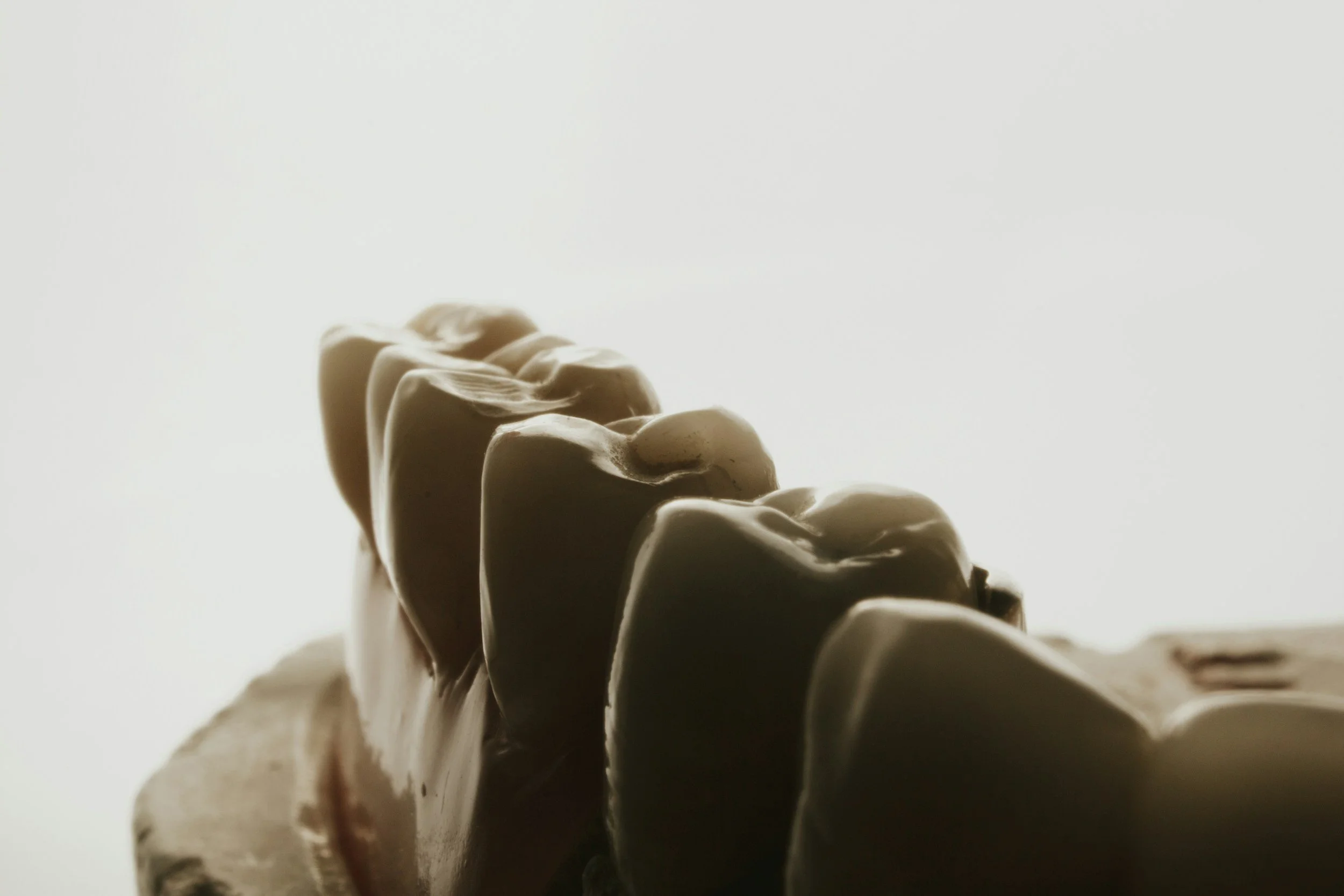
For many people, full mouth dental implants are that something. They've become the standard recommendation for replacing all the teeth in one or both arches, and the results can be life-changing. They're also a significant commitment of time, money, and surgery, and they aren't right for everyone. This guide walks through the benefits, the honest considerations, and what the process looks like, so you can decide with clear eyes.
You're Not Alone in Asking
Complete tooth loss is far more common than most people assume. According to the American College of Prosthodontists, more than 36 million Americans have no teeth at all, about 120 million are missing at least one tooth, and roughly 2.3 million implant-supported crowns are made every year.
Dentures have been the default answer for generations. Implants are the reason that default is changing.
What Full Mouth Implants Are
Rather than a separate implant for each missing tooth, full mouth (or full arch) implants use a small number of titanium posts, typically four to six per arch, placed in the jawbone at angles that make the most of available bone.
A full set of replacement teeth is then attached to those posts, either fixed permanently or as a removable overdenture that snaps on and off. The posts fuse with the bone over a few months, creating a foundation that functions like natural roots.
The Benefits
Full mouth dental implants offer several benefits that can improve everyday comfort, oral function, and overall quality of life.
Stability. Fixed implant teeth don't slip, click, or need adhesive. You bite, chew, and speak without thinking about them
Full chewing power. Implant-supported teeth restore most of the bite force of natural teeth, far more than conventional dentures, so steak, apples, and nuts come back
Bone preservation. Implants stimulate the jawbone the way roots do, slowing the bone loss that causes the "sunken" look of long-term denture wearers
Comfort. No plate covering the palate, no sore spots from rubbing, no gagging
Appearance. Teeth and gums are designed to suit your face, and the support for lips and cheeks is restored
Longevity. With care, the implants themselves can last decades; the attached teeth are replaced or refurbished as needed
Confidence. For most patients, this is the headline: eating out, laughing, and talking without self-consciousness
With improved stability, a natural-looking smile, and greater confidence, full mouth dental implants can help patients enjoy daily activities with greater comfort and peace of mind.
The Considerations
Honesty matters here, because this is major treatment:
Surgery is involved. Implant placement is an oral surgical procedure, usually done under sedation. Recovery takes days to a couple of weeks, with healing continuing for months
Bone and health requirements. You need enough jawbone, or bone grafting first. Uncontrolled diabetes, heavy smoking, certain medications, and some medical conditions raise the risk of implant failure
Cost. Full mouth implants are one of the most expensive dental treatments, often tens of thousands of dollars per arch. Insurance rarely covers the full amount, though financing is common
Time. From consultation to final teeth typically takes several months, even when a temporary set is fitted on the day of surgery
Maintenance. Implants don't decay, but the gums around them can become inflamed. Daily cleaning and regular professional maintenance are required
It's not reversible. Once teeth are removed and implants placed, you're committed to the implant path
None of these is a reason to avoid implants. They're the reasons to choose them deliberately and with the right team.
Who Is Usually a Good Candidate
Adults missing all or most teeth in one or both arches, or with teeth that can't be saved
People struggling with loose, uncomfortable, or unreliable dentures
Non-smokers or those willing to stop before and after surgery
Patients in generally good health with well-managed chronic conditions
Those with adequate bone, or who are willing to undergo grafting
People who can commit to the maintenance routine
A consultation with a 3D scan is the only way to know for sure.
What to Expect, Step by Step
Consultation and planning. A full exam, 3D imaging, and a discussion of goals, health history, and budget. The team maps implant positions on the scan and shows you the planned result.
Preparation. Any remaining teeth are removed and, if needed, bone grafting or treatment of gum disease is completed. Sometimes this happens on the same day as implant placement.
Implant surgery. Posts are placed under sedation in a single appointment per arch. In many cases a temporary fixed set of teeth is attached the same day, so you leave with a smile.
Healing. Over three to six months the implants fuse with the bone. A soft diet is followed at first, then gradually expanded.
Final teeth. Once healing is confirmed, the permanent set is made from impressions or scans, with adjustments to bite, shape, and shade before it's secured.
Maintenance. Daily cleaning with the tools your team recommends and professional check-ups a few times a year.
Choosing the Right Team
Because planning, surgery, and restoration must work together, it is important to choose a dental practice that can coordinate every stage of treatment. Patients researching full mouth dental implants near Grand Island, NE should ask about the practice’s experience with full arch restorations, the surgical team, and the treatment process from the initial scan to the final teeth.
Stec & Stines Cosmetic & Family Dentistry offers All-on-4 style full arch implants, single implants, implant dentures, and sedation dentistry, along with in-house treatment for implant complications. Before choosing a provider, ask how many full arch cases they complete, what the treatment plan includes, and how they handle implants that fail to integrate with the bone.
Alternatives Worth Knowing
Conventional dentures, the least expensive option, with the trade-offs described above
Implant-retained overdentures using two to four implants, more stable than conventional dentures and less costly than fixed full arch teeth
Single and multiple implants where many natural teeth can still be saved
Staged treatment, starting with an overdenture and upgrading to fixed teeth later
A good consultation lays these side by side rather than steering you toward one.
Conclusion
Full mouth dental implants are right for you if you're missing all or most of your teeth, you're frustrated by the limits of dentures, your health and bone can support surgery, and you're prepared for the cost, timeline, and maintenance that come with a permanent solution. The benefits, stable teeth, full chewing, preserved bone, and the confidence to eat and laugh freely, are real and long-lasting.
The considerations are real too, which is why the decision belongs in a careful consultation with an experienced team. With tens of millions of people living without teeth and implant treatment more established every year, the drawer with the denture case in it doesn't have to be permanent.