Balayage Basics: What to Know Before Your First Session
The sun-kissed, naturally blended hair color you see everywhere has a name: balayage. This popular coloring technique has dominated salon menus and inspiration boards for years, and for good reason. It offers a beautiful, low-maintenance look that appears effortlessly chic. If you’ve been curious about trying it but aren’t sure where to start, you’ve come to the right place. This guide will walk you through the essentials, from understanding the process to keeping your new color vibrant.
Understanding Balayage Technique
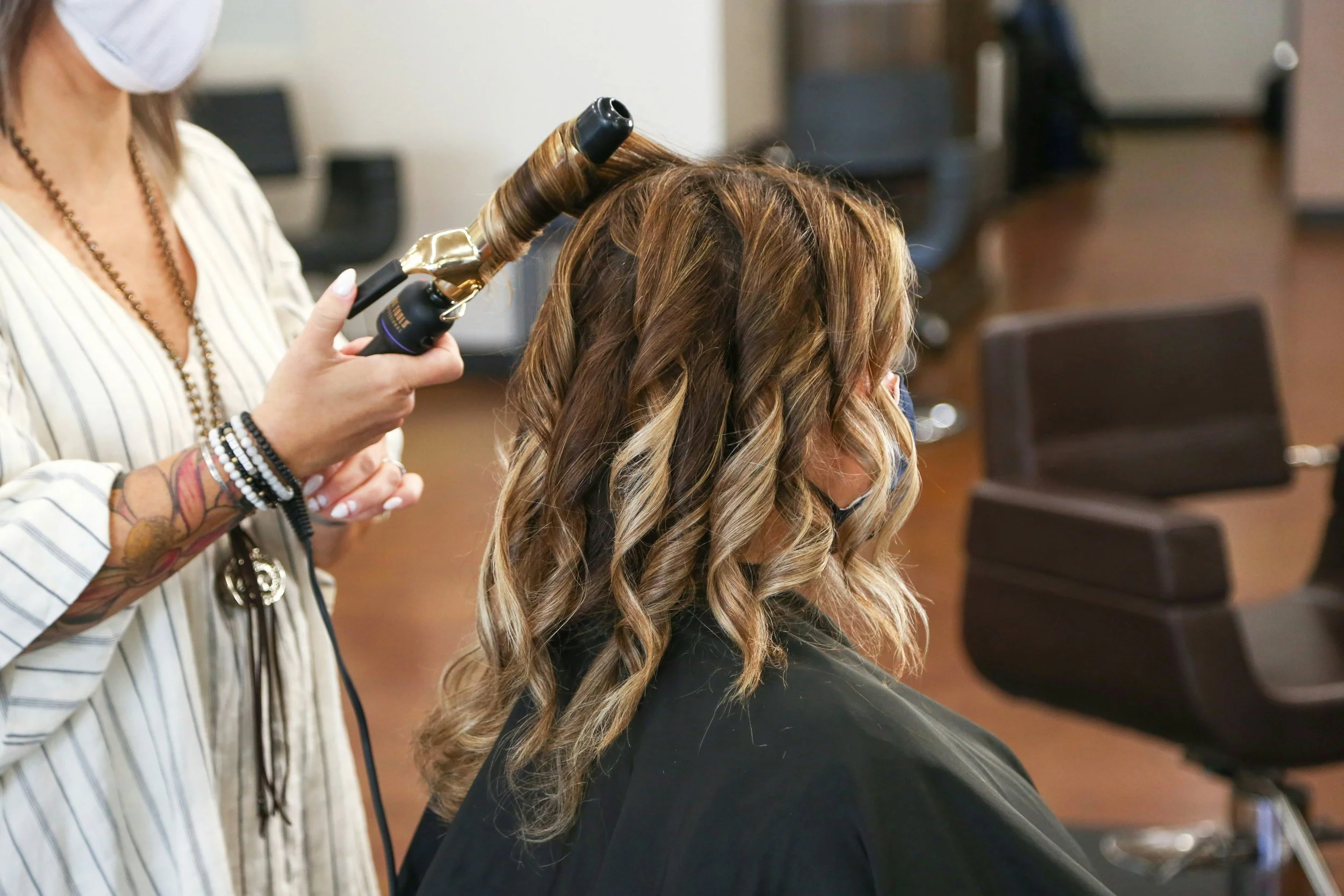
Photo by Giorgio Trovato on Unsplash
The word "balayage" is French for "to sweep" or "to paint." That’s a perfect description of how the color is applied. Unlike traditional foil highlights, which can create a more uniform, striped effect, a stylist hand-paints the lightener directly onto the surface of your hair. This freehand application allows for a more customized, graduated look with a soft, blended finish. There are no harsh lines, which means your hair grows out incredibly gracefully.
The goal of balayage is to mimic the natural highlights you might get from spending time in the sun. Your colorist will strategically place the lightener to accentuate your haircut and facial features, adding dimension and movement exactly where you want it. The result is a luminous, lived-in color that looks both modern and timeless.
Is Balayage Right for Your Hair?
One of the best things about balayage is how versatile it is. It works beautifully on a wide range of hair colors, from dark brunettes to light blondes, and is suitable for most hair textures, whether your hair is straight, wavy, or curly. Because it doesn't typically start right at the root, it’s an ideal choice for anyone seeking a low-maintenance color solution. You won't need to rush back to the salon for a touch-up every six weeks.
Balayage is perfect for you if you want to:
Add brightness and dimension without a drastic all-over color change.
Avoid the noticeable root regrowth that comes with traditional highlights.
Get a customized color that is unique to you.
Lighten your hair for the first time, as it offers a subtle introduction to color.
Preparing for Your Consultation
A thorough consultation is key to getting the hair color you envision. To make the most of your appointment, it’s a great idea to gather some inspiration photos. Showing your stylist pictures of what you like (and even what you don't like) helps them understand your aesthetic and manage expectations. Taking a more personal approach to your hair transformation can also help you think through the changes you want before sitting in the salon chair. It's also helpful to arrive with your hair styled the way you normally wear it, so your colorist can see how your hair naturally falls and moves.
Be prepared to discuss your hair history. Let your stylist know about any previous color, chemical treatments, or heat damage. This information is crucial for them to formulate the lightener correctly and protect the integrity of your hair. A good stylist will ask plenty of questions to ensure you're both on the same page about the desired outcome and the steps needed to get there.
Aftercare for a Beautiful Finish
Once you have your gorgeous new color, you’ll want to keep it looking fresh and vibrant. Proper aftercare is essential for extending the life of your balayage and keeping your hair healthy. Since lightening the hair can make it more porous, using the right products is a must. Switch to a sulfate-free shampoo and conditioner formulated for color-treated hair to prevent your new hue from fading or becoming brassy.
According to a guide to balayage, regular conditioning treatments are also important. Incorporate a deep conditioning mask into your routine once a week to replenish moisture and keep your strands soft and shiny. Finally, always use a heat protectant spray before blow-drying, curling, or flat-ironing your hair to shield it from damage and color degradation.
Balayage vs. Other Coloring Methods
With so many coloring techniques available, it can be tricky to know which one to ask for. Understanding what to know before balayage can help clarify your choice. The main difference between balayage and traditional foil highlights lies in the application and the final result. Foils involve saturating sections of hair in lightener and wrapping them in foil, which creates a more intense, defined lift from root to tip. Balayage is painted on, resulting in a softer, more blended transition.
People also often confuse balayage with ombré. While both create a darker-to-lighter effect, ombré is a more dramatic, horizontal color gradient where the bottom half of the hair is noticeably lighter than the top. Balayage, on the other hand, involves painting vertical sections throughout the hair to create subtle, sun-kissed highlights that are more scattered and natural-looking.
With a better understanding of the process and what to expect, you can step into the salon with confidence. Balayage is more than just a trend; it's a beautiful way to enhance your natural hair with a personalized touch.