Blending Oral Health with Everyday Aesthetics: Smart Approaches to Cosmetic Dentistry
Cosmetic dentistry can change the color, shape, position and overall appearance of teeth, but the strongest results begin with a healthy mouth. That connection matters when you’re considering whitening, veneers, bonding or a larger smile makeover. A thoughtful treatment plan accounts for appearance, daily comfort and long-term maintenance. It should also reflect your facial features and personal style, so the finished smile feels like your own.
Start with oral health
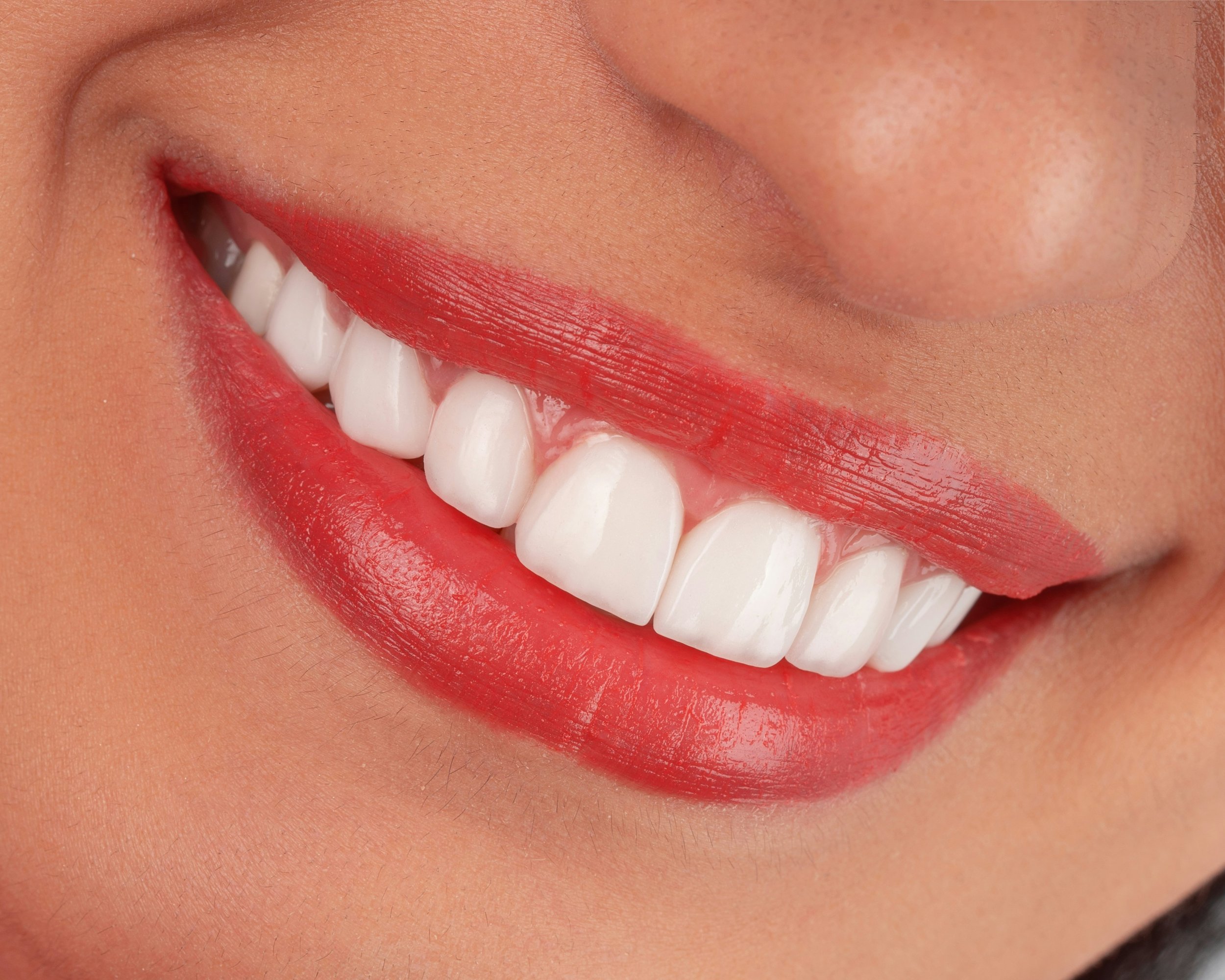
Photo by Kamal Hoseinianzade on Unsplash
A cosmetic consultation should include an examination of your teeth, gums and bite. Cavities, active gum disease and damaged fillings may need attention before elective treatment begins. Covering an untreated problem could allow it to worsen and may shorten the life of the cosmetic work.
Consistent oral hygiene habits also give treatments a better foundation. Brush twice daily with fluoride toothpaste, clean between your teeth each day and attend checkups at the interval your dentist recommends. If your gums bleed regularly or a tooth feels sensitive when you bite, mention it during your appointment instead of assuming the issue is purely cosmetic.
Choose treatment based on the actual concern
Different concerns call for different solutions. Professional whitening may suit healthy teeth with surface staining, while bonding can repair a small chip or adjust an uneven edge. Veneers may be considered when several visible teeth have lasting discoloration, worn surfaces or shape differences that simpler care can’t address.
An in-person assessment helps clarify which option is suitable and what maintenance it involves. For people and families in the Burleigh Heads area, Dentist burleigh provides general and cosmetic dental care, including treatment planning, veneers and smile makeovers. Bring photos of your natural smile and explain what bothers you in specific terms. “This edge looks uneven” gives the dentist more useful direction than asking for a completely different smile.
Keep your features in the picture
The most flattering dental changes usually respect the proportions already present in your face. Tooth length, lip movement, gum display and facial symmetry all affect how a smile looks. Brightness matters too. A shade that appears natural in daylight may be more flattering than the brightest sample on a chart.
Digital records and carefully planned previews can help you discuss shape and proportion before committing to treatment. Pay attention to how the proposed smile looks when your face is relaxed as well as when you’re smiling broadly. The existing article on the role of cosmetic dentistry in smile makeovers offers more context on combining several treatments into one coordinated plan.
Ask practical questions before treatment
A polished result still needs to fit your schedule, budget and tolerance for maintenance. Ask how many visits the treatment normally requires, whether temporary restorations are involved and how long the result commonly lasts. You’ll also want to know what happens if a veneer chips, bonding stains or tooth color changes after whitening.
Discuss alternatives before approving a plan. A minor shape difference might respond well to conservative bonding, while extensive wear could require a broader assessment of the bite. Request a written outline covering each proposed procedure, expected fees and aftercare. If several teeth are involved, ask which work must happen first and whether treatment can be completed in stages without affecting the final appearance.
Protect the result in daily life
Cosmetic dental work needs routine care just like natural teeth. Use a soft-bristled toothbrush and follow any product advice from your dental team, particularly if you have veneers, bonding, or sensitivity after whitening. Coffee, tea, and highly pigmented foods can gradually stain natural enamel and some restorative materials, so rinsing with water afterward may help reduce residue.
Avoid using your teeth to open packaging or bite hard objects. If you clench or grind at night, ask whether a custom guard is appropriate. Schedule reviews so your dentist can check margins, gum health and changes in your bite. Small adjustments made early may prevent avoidable wear and keep the result looking balanced.
Aim for changes you can maintain
A successful smile update should still look appealing in the appointment photos. Natural proportions, healthy gums and realistic upkeep matter more than following a temporary beauty trend. Clear goals also help your dentist recommend the least invasive option that can produce the improvement you want.
Before settling on a procedure, picture the maintenance six months or five years from now. If the cleaning routine, replacement schedule and likely future costs feel manageable, the plan has a better chance of working well in everyday life. The smartest cosmetic choice is one that lets you smile comfortably without turning normal dental care into a complicated project.