Daily Habits That Help Protect Your Natural Nails
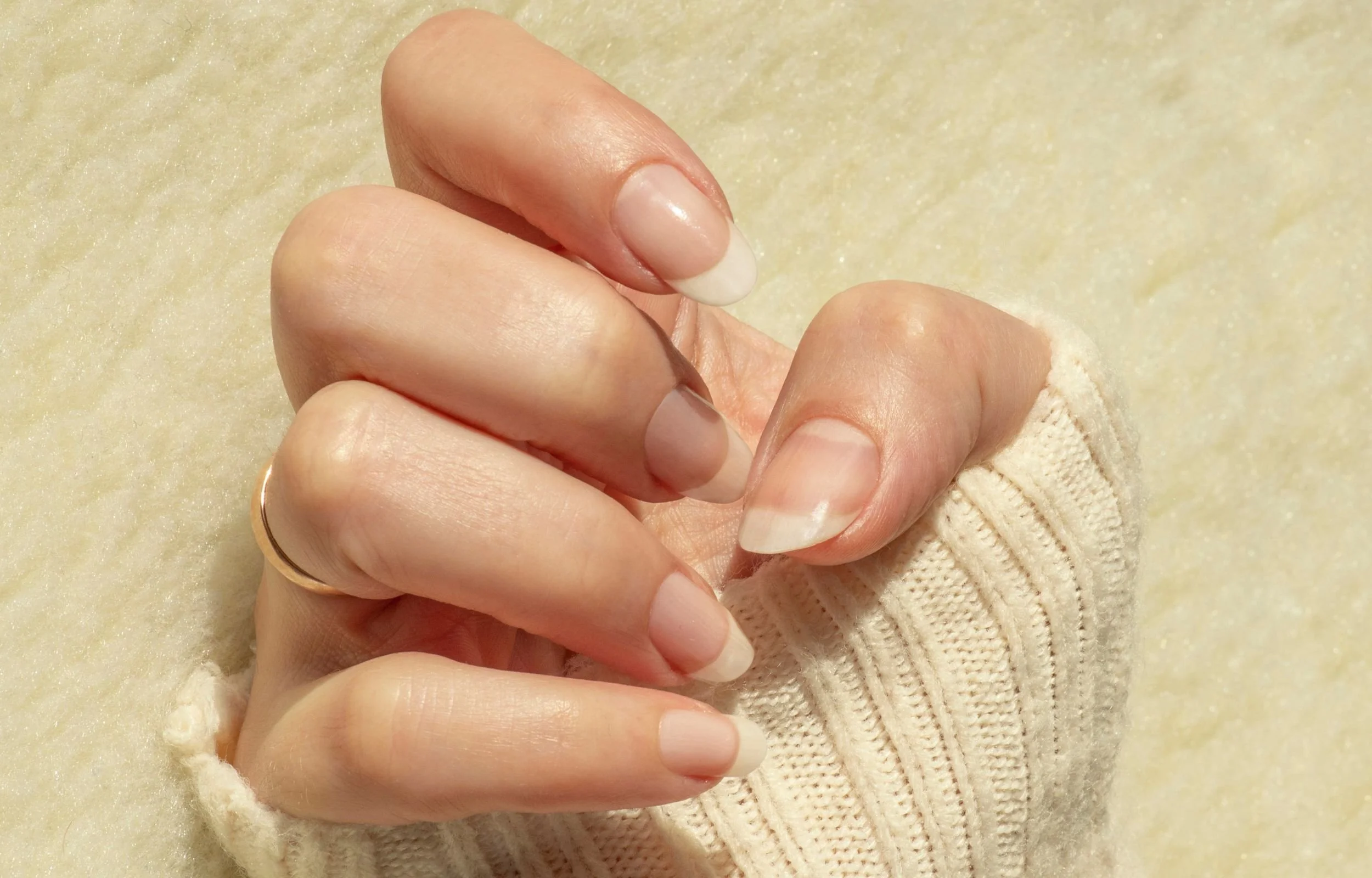
Natural nails deal with more wear than most people realize. Handwashing, cleaning products, weather, polish removal, typing, and everyday chores all place stress on the nail plate and surrounding skin. Small habits often decide whether nails stay smooth and flexible or become dry, brittle, and prone to splitting.
You don’t need an elaborate routine to care for natural nails. Consistent, gentle maintenance usually works better than aggressive treatments or constant product changes. When you protect your nails from excess moisture, harsh chemicals, and unnecessary trauma, you give them a better chance to grow with strength and a healthy appearance. These daily habits will help you protect your natural nails.
Moisturize Your Hands Daily
Dryness can make nails feel brittle and leave the surrounding skin rough or cracked. Regular hand cream helps support flexibility by adding moisture back to the skin and nail area.
Apply moisturizer after washing your hands and before bed. Pay special attention to the cuticles and skin around each nail instead of focusing only on your palms.
Look for a cream or lotion that feels comfortable enough for frequent use. If you dislike greasy products, choose a lighter formula during the day and save a richer cream for nighttime.
Use Cuticle Oil Consistently
Cuticle oil can complement your regular hand moisturizer. It adds targeted hydration around the nail and helps soften dry skin that might otherwise peel or catch on clothing.
Massage a small amount around each nail once or twice a day. The massage also encourages you to slow down and inspect your nails closely.
That quick inspection gives you a chance to spot unhealthy nails before a small concern grows into a bigger problem. Changes in color, texture, thickness, shape, or the surrounding skin deserve attention, especially when they persist or cause discomfort.
Stop Using Nails as Tools
Natural nails can handle daily activity, but they don’t work well as substitutes for tools. Prying open lids, scraping labels, peeling tape, or tightening small objects can bend the nail and create tiny cracks.
Use scissors, a letter opener, a scraper, or another proper tool instead. This small change can prevent chips and splits without adding any time to your routine.
Pay attention to repetitive habits too. Picking at stickers, tapping hard surfaces, or scratching away residue can gradually weaken the nail edge.
File With a Light Touch
Regular filing keeps rough edges from catching and tearing. A gentle file also helps you maintain a shape that fits your lifestyle.
Move the file with controlled strokes and avoid grinding aggressively at the edge. Excess pressure can leave the nail thinner and more vulnerable to splitting.
Choose a shape that supports your daily activities. Shorter nails with softly rounded or squoval edges often tolerate typing, cleaning, and hands-on work better than long nails with sharp corners.
Trim Carefully
Trim nails when they grow long enough to interfere with everyday tasks. Clean nail clippers or manicure scissors give you better control and reduce jagged edges.
Avoid cutting nails extremely short. A little length can protect the sensitive skin beneath the nail and make everyday contact more comfortable.
Smooth the edge with a file after trimming. This final step removes sharp spots that might catch on fabric or hair.
Protect Nails From Water
Frequent water exposure can leave natural nails feeling weak and flexible. Nails absorb water, swell, and then contract as they dry, and repeated cycles can contribute to peeling and splitting.
Wear gloves when washing dishes or spending a long time cleaning with water. Gloves also protect the skin around your nails from detergents and cleaning products.
Dry your hands thoroughly after washing. Then apply moisturizer to replace some of the oils that soap and water remove.
Wear Gloves for Cleaning
Household cleaning products can dry the nail area and irritate the skin. Frequent contact with detergents, degreasers, and other strong formulas can make a manicure routine harder to maintain.
Use household gloves whenever you clean bathrooms, wash dishes, scrub floors, or handle products that bother your skin. Choose gloves that fit comfortably so you can still grip objects safely.
Rinse and dry reusable gloves after use. Damp gloves can create an unpleasant environment for your hands and make regular wear less appealing.
Remove Polish Gently
Polish removal can stress natural nails when you rush through the process. Scraping or peeling polish pulls at the surface layers of the nail and may leave the plate rough.
Use an appropriate remover and give it enough time to dissolve the polish. Hold a remover-soaked pad against the nail briefly before wiping rather than scrubbing repeatedly.
Glitter and other stubborn finishes may need extra patience. Resist the temptation to pick them off, since peeling often removes more than polish.
Take Care With Gel Removal
Gel manicures can look polished for weeks, but improper removal can leave natural nails thin and rough. Never peel or pry gel away from the nail plate.
Follow the removal method that suits the product. If you visit a nail professional, ask for careful removal instead of aggressive scraping.
Give your nails gentle care between services if they feel dry or weak. Moisturizer, cuticle oil, and reduced filing can help you avoid adding more stress.
Keep Cuticles Intact
Cuticles help protect the area where new nail growth begins. Cutting them aggressively can irritate the skin and create small injuries.
Soften the area with cuticle oil or hand cream instead. If you prefer a neat manicure, gently push back excess skin after a shower or hand soak when the area feels softer.
Trim only loose hangnails with clean nippers. Never pull a hangnail because the tear can extend into healthy skin and cause soreness.
Keep Tools Clean
Nail tools come into direct contact with skin and nails, so cleanliness deserves regular attention. Wash and disinfect clippers, files, nippers, and reusable manicure tools according to their care instructions.
Don’t share personal nail tools casually. Keeping your own set reduces unnecessary contact with bacteria, fungi, and other contaminants.
Replace worn files and damaged tools. Dull clippers can crush the nail instead of making a clean cut, while rough or broken files can leave uneven edges.
Give Nails Recovery Time
You don’t need to stop wearing polish completely to care for natural nails. However, occasional breaks can make it easier to inspect the nail surface and respond to dryness or damage.
Use those breaks to focus on moisture and gentle shaping. Keep nails at a manageable length while damaged areas grow out.
Avoid chasing instant results with aggressive buffing. Heavy buffing thins the nail plate, which may make the surface look smoother temporarily while leaving the nail more fragile.
Support Nails Through Everyday Nutrition
Nails grow as part of the body, so general nutrition supports their normal growth. A varied diet with adequate protein, vitamins, minerals, and healthy fats gives your body the resources it uses for many tissues, including nails.
Avoid relying on a single food or supplement as a quick fix. Nail changes can come from many causes, and persistent problems deserve more attention than a new beauty product.
Stay hydrated as part of your normal wellness routine. Hydration supports overall health, while topical products directly help reduce dryness around the hands and nails.
Pay Attention to Changes
Healthy nail care includes knowing when a cosmetic concern may need professional attention. Watch for persistent discoloration, pain, swelling, separation from the nail bed, unusual thickening, or changes that affect only one nail.
Don’t cover an unexplained change with polish indefinitely. A dermatologist or other qualified health professional can evaluate a persistent issue and recommend the right next step.
Early attention also keeps you from treating every nail problem as simple dryness. Sometimes a nail needs more than moisturizer or a manicure adjustment.
Build Habits That Last
Strong natural nails rarely come from one miracle product. Daily habits create the biggest difference over time and will protect your natural nails. Keep your routine simple enough to follow every day. Use moisturizer, apply cuticle oil, wear gloves, file carefully, remove polish gently, and watch for changes that deserve attention.
These habits don’t require a complicated beauty schedule. They simply ask you to treat your nails with the same consistent care you give the rest of your skin, which can help them look smoother, feel stronger, and handle everyday life with less damage.