Home Design Ideas That Bring More Light, Comfort, and Style Into Everyday Life
You know the room. It looks fine on paper, with decent furniture and a nice rug, but you never quite want to sit in it. Maybe the corner by the window is always chilly, or the afternoon light barely reaches the sofa. Most of us blame the paint color or the layout and keep rearranging. Often, though, the real culprit is the thing we look through every day: the windows and doors.
The good news is that you don’t need a full renovation to change how your home feels. A few thoughtful choices can make rooms brighter, cozier, and more like you.
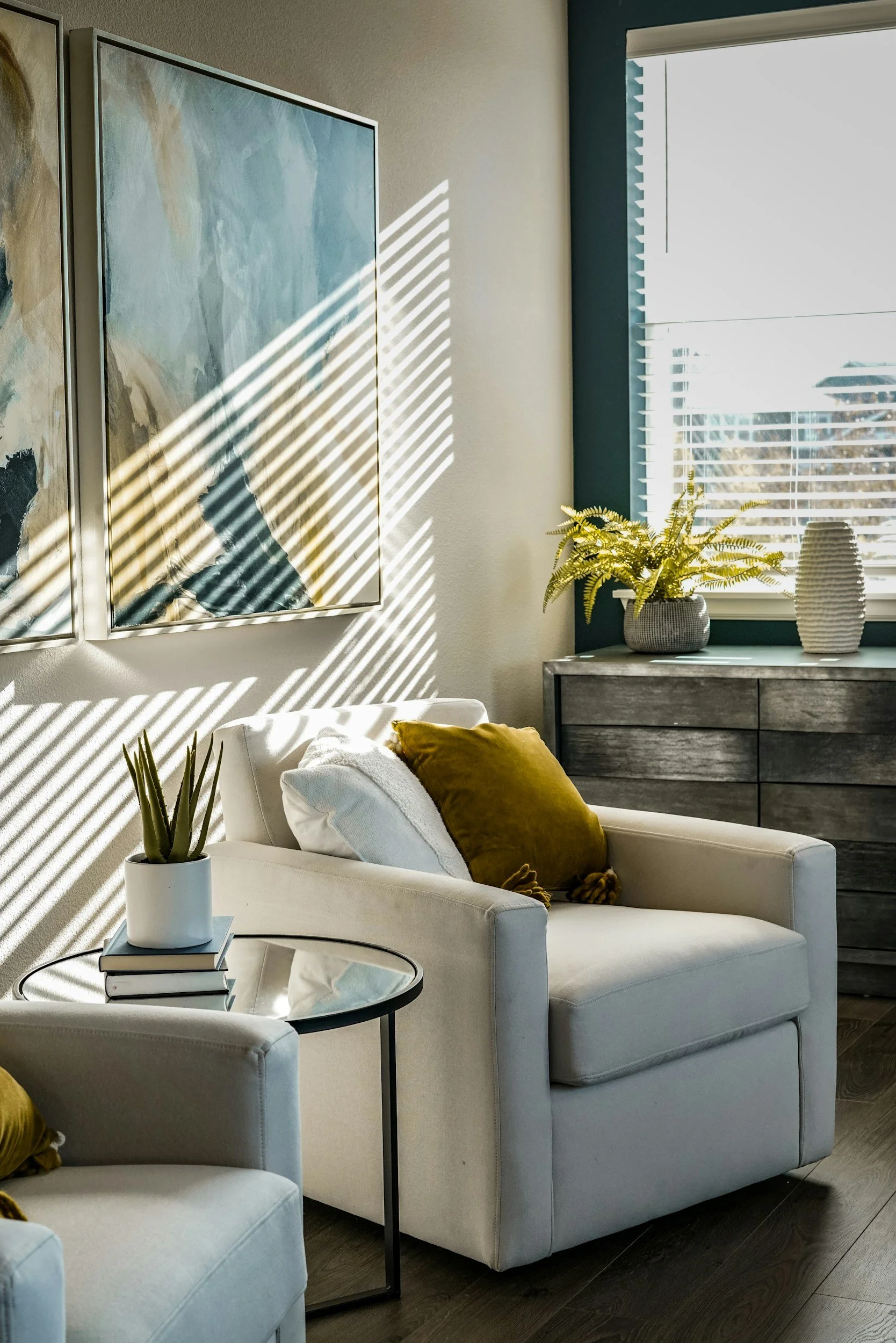
Start With the Light You Already Have
Natural light is one of the simplest ways to make a home feel bigger and more welcoming. Before buying new décor, spend a day noticing how sunlight moves through your space. Which rooms glow in the morning? Which ones feel dim by noon?
Here’s a quick way to look at it:
Morning rooms (east-facing) are great for kitchens and breakfast nooks.
Afternoon rooms (west-facing) suit living rooms and home offices.
Dim corners may benefit from larger glass, lighter wall colours, or mirrors placed across from a window.
Picture a typical two-storey family home with a small living room that always feels closed in. Swapping a narrow window for a wider one can change the whole mood, and the furniture stays exactly where it is.
Window Styles That Shape How a Room Feels
Windows do more than let light in. They frame your view and set the style of a room.
Statement windows for open, airy spaces
Picture windows are fixed panes that frame a garden or street like artwork.
Bay and bow windows project outward, adding floor-like depth for a reading bench or a plant corner.
Windows that bring in fresh air
Casement windows swing outward on a side hinge and catch breezes well.
Awning windows open from the top, so you can ventilate even on a drizzly day.
Double hung and slider windows are familiar, easy to use, and suit many home styles.
Custom shapes for character
Arches, circles, and other non-standard openings can become the focal point of a hallway, stairwell, or bedroom.
Comfort You Can Feel, Not Just See
Style is only half the story. A beautiful window that leaves you with a cold draft isn’t doing its job. According to Natural Resources Canada, windows, doors, and skylights can account for up to 35 percent of total house heat loss, which is a good reason to take them seriously. You can read more in the agency’s guide to upgrading windows and exterior doors.
Features worth knowing about when you shop:
Low-E glass: a thin coating that helps keep heat inside in winter and reflect it away in summer.
Argon gas fills and multiple panes: extra insulation between the layers of glass.
ENERGY STAR® certification: a recognized label that helps you compare products.
Proper installation: even a well-made window can leak air if it isn’t sealed correctly.
Savings depend on your home, your existing windows, and your energy costs, so treat any number as a general guide rather than a promise. Still, a home that holds its temperature tends to be a more pleasant one to live in.
Planning Your Upgrade Around Real Life
Updating windows and doors can sound like a big, disruptive project, so it helps to break it into steps. Start with the rooms you use most, and note which windows stick, fog up between the panes, or let in a draft. Those are usually the ones to prioritize.
If you live in York Region, looking into replacement windows and doors services in Newmarket is a practical way to get advice that fits local winters and the area’s mix of heritage and newer homes. Premier North Windows & Doors, for instance, offers Canadian-made windows in a range of styles, free in-home consultations, a lifetime warranty, and financing options, and says many projects are finished in a day or two.
Two questions to ask any installer:
Is it a full-frame or retrofit installation? Full-frame replacement lets the installer check the opening for hidden damage, while retrofit is quicker and suits frames that are still in good shape.
Can the work be done in winter? Many companies replace one window at a time to limit heat loss indoors, so cold weather doesn’t have to stop you.
Doors That Set the Tone
Your front door is the first thing guests see, and it does a lot of quiet work: security, insulation, and style all in one.
Entry doors: Fibreglass and steel options come in many colours, with glass inserts or side-lites to let in more light.
Patio, sliding, and French doors: These link indoor living to the deck or backyard and make small rooms feel larger.
Garage doors: On many homes the garage takes up a big part of the front, so a well-chosen insulated door can lift the whole look.
Small Extras That Add Comfort
Once the main pieces are sorted, a few additions can round things out:
Porch enclosures: Turn a seasonal space into somewhere you can enjoy in more weather.
Window security film: Adds a layer of protection to glass while keeping the view.
Warranty and maintenance: It's worth asking what’s covered, for how long, and whether it transfers if you sell.
Conclusion
A home that feels good usually comes down to light, warmth, and details that suit the way you live. Windows and doors influence all three, which makes them a smart place to look when a room isn’t working.
Start small: watch how light moves through your day, note the drafty spots, and decide which room you’d most like to enjoy more. From there, you can plan upgrades step by step, at a pace and budget that suit you.