Read Before You Buy: A Smarter Guide To Fabric Labels
A garment’s appearance may catch your attention, but its fabric label reveals how it will perform over time. From comfort and durability to maintenance and longevity, the information printed on a clothing label helps shoppers make practical purchasing decisions. Spending a few extra moments reading the label can reduce unexpected shrinkage, fading, or costly dry cleaning while helping you build a wardrobe that fits your lifestyle.
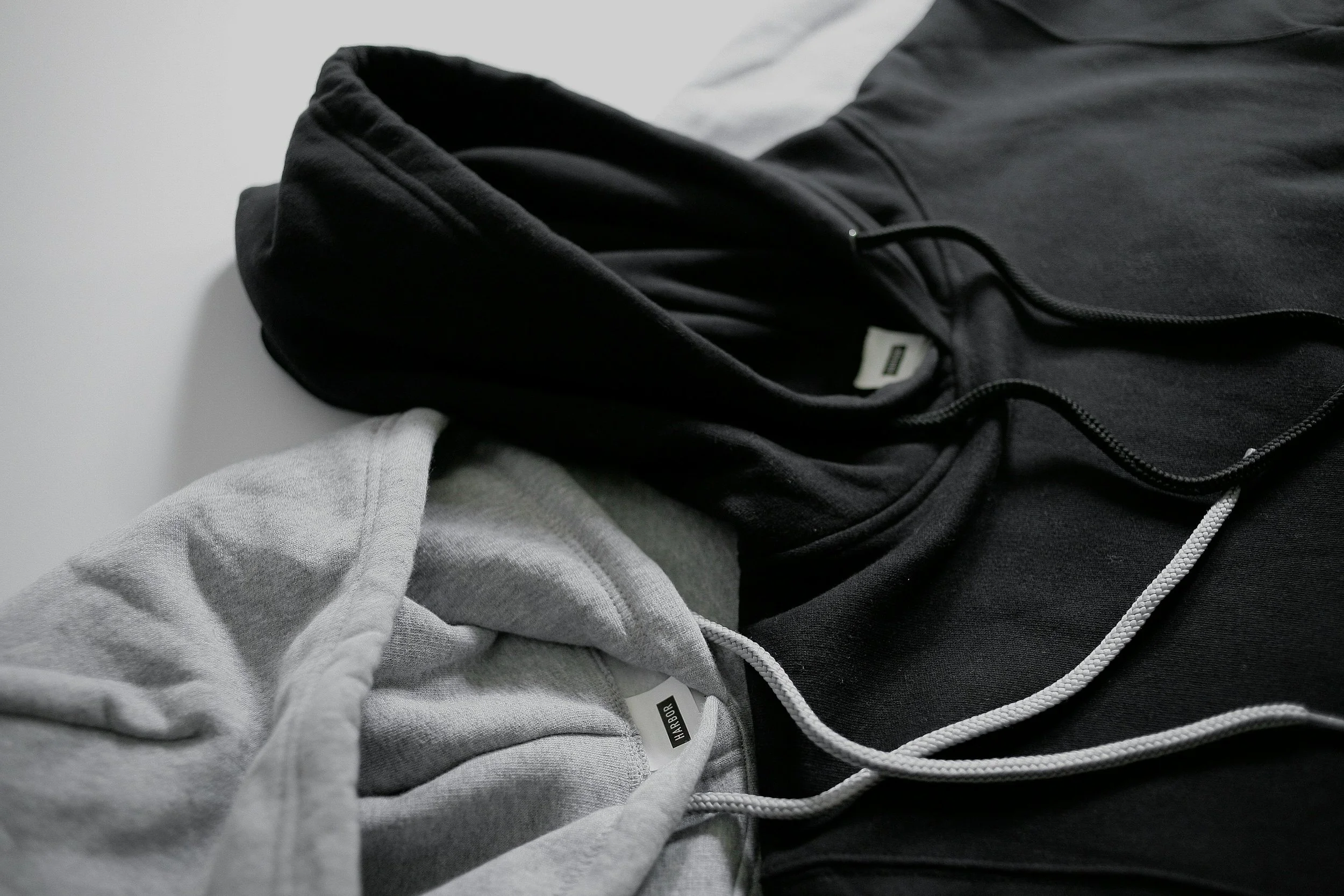
Photo by Haryo Setyadi on Unsplash
Learn What the Fiber Content Means
The fiber content lists the materials used to make the garment, usually in order of their percentage by weight. Cotton is known for breathability, linen for its lightweight feel, wool for warmth, polyester for wrinkle resistance, and elastane for added stretch. Blended fabrics combine different fibers to improve comfort, durability, or flexibility. Federal labeling rules require fiber content to be accurately disclosed on most textile apparel sold in the United States.
Rather than assuming two garments feel the same because they look similar, compare their fiber content. Small differences in fabric composition can affect softness, insulation, moisture management, and overall performance. Knowing these details makes it easier to choose clothing suited for work, travel, or everyday wear.
Understand Care Instructions
Care labels explain how a garment should be washed, dried, ironed, or professionally cleaned. Following these directions helps preserve color, shape, and fabric quality while extending the life of the clothing. Manufacturers are required to provide regular care instructions based on reasonable evidence that the recommended cleaning method is appropriate for the garment.
A machine-washable sweater, for example, may save time and money compared with one that requires dry cleaning after every use. Checking these details before purchasing helps shoppers select clothing that fits both their schedule and maintenance preferences. Ignoring care instructions often leads to shrinking, stretching, or fabric damage that could have been avoided.
Match Fabrics to Your Lifestyle
Different fabrics perform better in different situations. Lightweight materials are often ideal for warmer weather, while wool and heavier blends provide insulation during colder seasons. Stretch fabrics work well for active lifestyles, while structured materials maintain a polished appearance in professional settings.
When shopping for seasonal items such as women's wool coats, reviewing the fiber label helps determine whether the garment contains natural wool, synthetic blends, or a combination of both. This information affects warmth, weight, durability, and recommended care methods. Selecting fabrics based on how they will actually be worn often leads to greater long-term satisfaction.
Shop With Confidence
Fabric labels provide valuable information that many shoppers overlook. Fiber content, care instructions, and material blends all influence how clothing looks, feels, and performs after repeated wear. Reading these details before making a purchase helps reduce unnecessary replacements while supporting better value over time.
Developing the habit of checking garment labels takes only a few moments. Still, it can lead to a wardrobe that is easier to maintain, more comfortable to wear, and better suited to your daily routine. Smart shopping begins with informed decisions, and the smallest label often contains the most useful information. Check out the infographic below to learn more.
