Why Classic Timepieces Still Rule Fashion Week
Classic timepieces keep appearing in street-style photos and designer collections because they bring structure to even the most expressive outfits. Their familiar dials, polished cases, and textured straps add detail without competing with the clothes. That quality feels especially relevant as classic dress design returns to the fashion conversation. If you want to give your wardrobe the same lasting appeal, a thoughtfully selected watch is an easy place to begin.
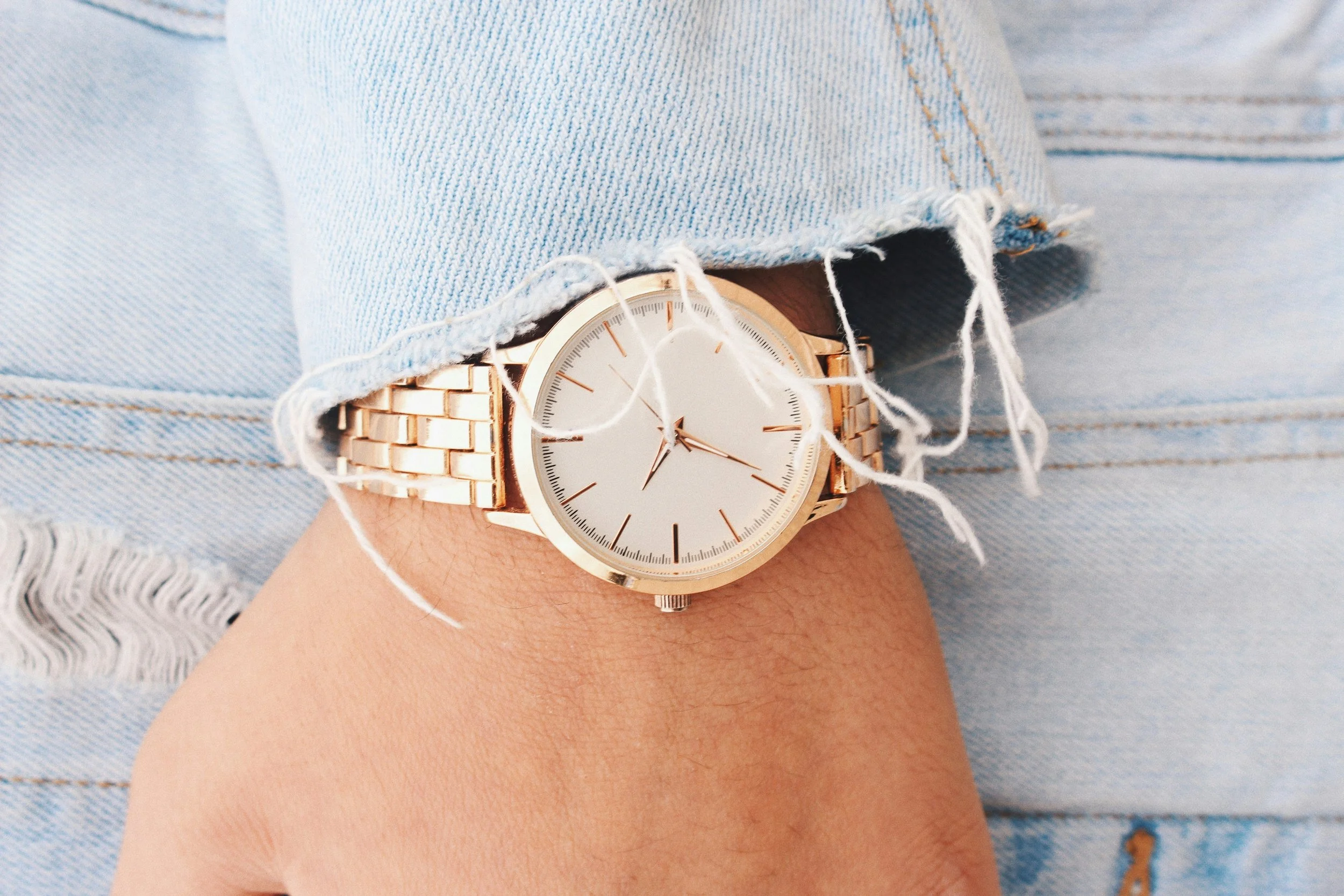
The Return of Analog Glamour
An analog watch offers a welcome visual break from glowing screens. Roman numerals, slim hands and compact faces feel intentional, especially beside soft tailoring or minimalist eveningwear. Even sportier designs can look polished when their proportions suit the wrist.
Current styling also draws heavily from earlier decades. A rectangular case suggests 1920s Art Deco glamour, while a small round face fits the refined mood of the 1950s. For more inspiration, see how vintage fashion statements are returning across accessories and clothing. Choose one period as your reference, then keep the rest of your look modern so the result feels collected instead of costume-like.
Styling Functional Statement Pieces
Treat your timepiece as part of the outfit's overall color story. A gold-tone case looks warm with camel, cream, and chocolate brown, while silver tones complement charcoal, navy, and icy pastels. Black leather gives a tailored outfit extra definition. Brown leather creates a softer effect with denim or linen.
Complications can add visual interest without looking overly busy. The classic chronograph is a strong example, combining functional subdials with a recognizable design. If a treasured piece stops keeping accurate time, consult a qualified repair professional. Suppliers such as CR Time provide specialized movements and testing products for jewelers, watchmakers, appraisers, and repair technicians who handle that work.
The Engineering Beneath the Dial
The movement determines how a watch tracks time and how much care it may need. Quartz movements use a battery and generally provide dependable accuracy with limited maintenance. Mechanical movements use an intricate system of gears and springs. Manual versions need regular winding, while automatic versions gain energy from the wearer's motion.
Before buying, ask the seller to identify the movement and explain the service history. A pre-owned mechanical piece with no records may need professional attention sooner than expected. Listen for unusual sounds, test the crown, and watch the hands as you adjust the time. Smooth operation matters more than decorative details when you're evaluating long-term usability. For valuable vintage pieces, skip home repairs that could scratch the case or damage small internal components.
Selecting a Design Built to Last
Start with proportions. A case that sits within the width of your wrist will usually feel comfortable and balanced, while an oversized case may catch on cuffs. Try the watch with the clothing you wear most often. A design intended for workdays should slip easily beneath a blazer or shirt sleeve.
Check the clasp, crown, and strap attachment points for solid construction. If you prefer leather, remember that straps are replaceable and may show wear sooner than the case. Neutral dials in white, black, silver, or champagne tend to pair with more outfits, though deep green and navy can still work as versatile accents. Clear markings and a restrained face also make a timepiece easier to style for several seasons.
The strongest Fashion Week accessories earn attention through precision, proportion, and personality. Pick a timepiece that feels comfortable at lunch, during an evening event, and on an ordinary workday. When those settings all suit the same design, you've found a classic that deserves its place in your wardrobe.