Why More People Are Turning to Reiki Healing for Everyday Wellness
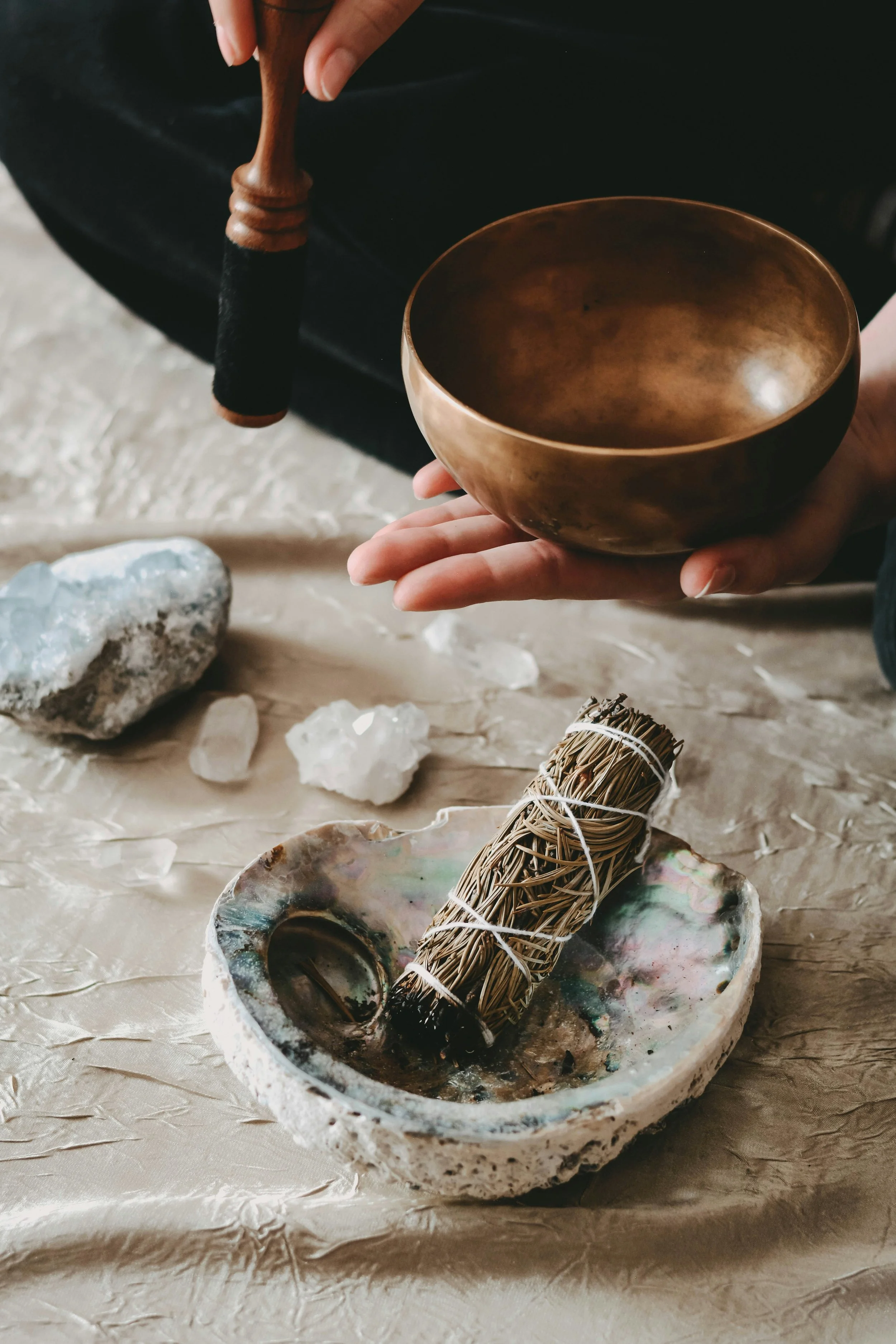
Photo by Content Pixie on Unsplash
A few years ago, Reiki was often treated as a niche practice — something you might stumble across at a wellness retreat but not necessarily something woven into everyday life. That's changed. More people are now incorporating energy-based practices into their regular routines, right alongside things like therapy, meditation, and exercise.
It's not about replacing conventional care; it's about adding another layer of support for stress, energy, and overall balance. Understanding why this shift is happening can help you decide whether it's worth exploring for yourself.
What Reiki Actually Is
Reiki is a Japanese energy healing technique built on the idea that a practitioner can channel energy through light touch or a near-touch hovering technique to support the body's own healing processes. It's gentle, non-invasive, and typically done in a calm, quiet setting. It's worth being clear that Reiki is not a substitute for medical treatment, and reputable practitioners are usually upfront about this. Sessions are fully clothed, with no massage or manipulation involved, and there's no specific religious belief required to receive or benefit from one. A typical session lasts between 30 and 60 minutes, often ending with the recipient feeling calmer or lighter.
Understanding what Reiki is not helps set realistic expectations, which in turn makes the experience more meaningful rather than confusing.
Why Everyday Stress Is Driving More People Toward Energy Work
Life today comes with a fairly constant stream of low-grade stress — notifications, deadlines, decision fatigue, and the general mental noise of being connected all the time. A common pattern shows up again and again in people who start exploring Reiki: feeling mentally "foggy" or scattered despite getting enough sleep, a sense of being physically tense without an obvious cause, difficulty winding down at the end of the day, or a general feeling of being disconnected from their own body or emotions.
Reiki appeals to a lot of these people not because it promises a dramatic fix, but because it offers a structured, quiet space to slow down — something that's genuinely rare in most people's weekly routines.
What a Typical Reiki Session Feels Like
For people who've never tried it, walking into a first session can feel a little uncertain. Knowing what to expect tends to ease that. A typical visit for Reiki healings usually starts with a short conversation about what you're hoping to address, whether that's stress, sleep, or general tension. From there, you lie down fully clothed on a treatment table while the practitioner works with light touch or hovers their hands near the body, often with soft music or silence playing depending on your preference.
Afterward, most sessions end with a few quiet minutes to reflect, drink water, and ease back into the day. Most people describe the sensation as warmth, tingling, or a deep sense of relaxation, though everyone experiences it a little differently.
How People Are Fitting Reiki Into Regular Wellness Routines
Rather than treating it as an occasional indulgence, more people are building Reiki into a recurring part of their self-care routine, similar to a standing therapy appointment or a weekly workout. Some schedule a session monthly as a reset point during particularly demanding periods, while others pair Reiki with practices like journaling or meditation for a more complete wellness routine. It's also common for people to lean on it around major life transitions — a new job, a move, a loss — when emotional bandwidth is especially stretched, treating it as preventative care rather than waiting until stress becomes overwhelming.
The Healing Moon has seen this shift firsthand, with more clients treating energy work as a maintenance practice rather than a last resort.
Is Reiki Right for You?
Reiki isn't going to be the right fit for everyone, and that's okay. It tends to resonate most with people who are open to gentle, non-clinical approaches to stress and who are looking for something to complement — not replace — their existing wellness or medical care. It's often a good fit for people who've already tried more conventional stress-relief methods and want to add something different into the mix, who are comfortable with quiet, low-stimulation environments, or who are going through a period of change and want a calming ritual to anchor their week.
If you're curious but skeptical, the lowest-risk way to find out is simply booking a single session and paying attention to how you feel afterward, rather than trying to decide in the abstract. Many practitioners are happy to answer questions beforehand, which can also help ease any first-timer nerves.
Questions People Often Ask Before Their First Session
A handful of questions come up again and again from people considering Reiki for the first time:
Does it hurt? No — Reiki involves light touch or hands hovering just above the body, so there's no pressure or discomfort involved
Do I need to believe in energy healing for it to work? Most practitioners say an open mind helps, but skepticism alone won't cancel out the experience
How many sessions will I need? This varies widely; some people feel a noticeable shift after one visit, while others prefer ongoing monthly sessions
Can it be combined with therapy or medical treatment? Yes, and most practitioners encourage treating it as a complement rather than a replacement
Having clear answers to these questions upfront tends to make the first session feel far less intimidating.
Final Thoughts
The growing interest in Reiki isn't a passing wellness fad — it reflects a broader shift toward taking stress and emotional wellbeing as seriously as physical health. Whether you're dealing with everyday overwhelm or looking for a quiet space to reset, Reiki offers a gentle, low-pressure way to slow down and reconnect. As with any wellness practice, the best way to know if it's right for you is to try it with an open mind and see how your body responds.