Your 30s Skincare Era: Less Hype, More Results
Your 30s bring a certain kind of confidence that your 20s simply couldn’t deliver. You know which jeans actually fit, you’ve stopped pretending uncomfortable shoes deserve a second chance, and you’re finally questioning whether your skincare routine needs twelve different serums. Welcome to your 30s skincare era: less hype, more results, where taking care of your skin means making smarter choices instead of chasing every viral beauty trend.
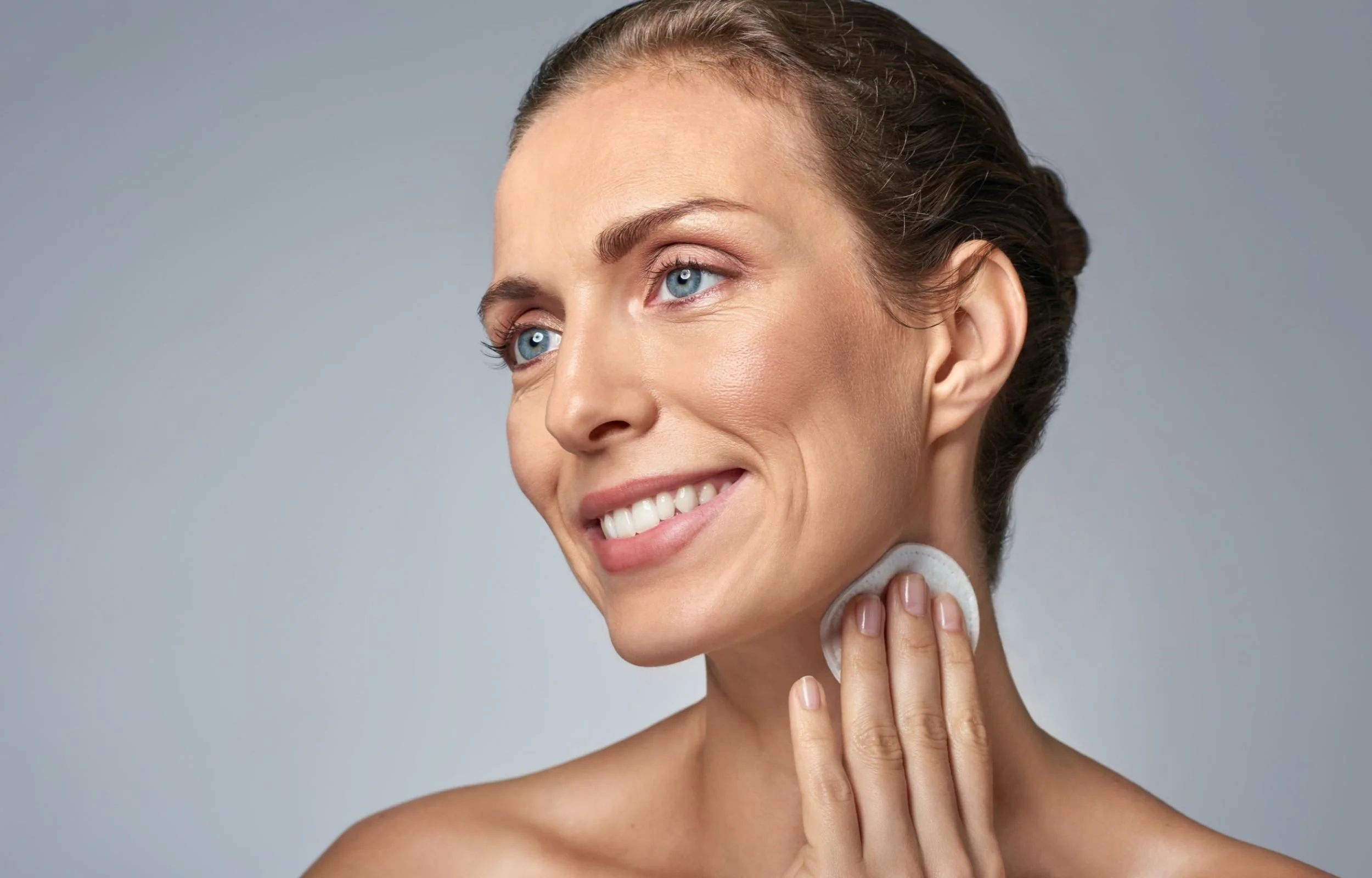
The beauty industry loves convincing us that every birthday requires another expensive product. However, healthy skin doesn’t demand a complicated routine or a bathroom counter that resembles a department store. Understanding what your skin actually needs can help you build habits that deliver noticeable improvements without wasting money or precious morning minutes.
Your Skin Changes, but That Doesn’t Mean Panic
Your skin naturally evolves as you age, and your 30s often introduce subtle differences in texture, hydration, and elasticity. Collagen production gradually declines during adulthood, while cumulative sun exposure can make fine lines and uneven pigmentation more noticeable. These changes don’t mean your skin suddenly needs an emergency intervention.
Hormonal fluctuations, stress, and lifestyle habits can also influence your complexion. Some women notice increased dryness, while others continue managing breakouts well beyond their teenage years. Rather than assuming every concern comes from aging, pay attention to your skin’s individual patterns.
Simplify Your Routine Before Adding More Products
If your skincare shelf looks like a chemistry experiment, consider this your permission to simplify. Using too many active ingredients can irritate your skin, particularly when products contain overlapping exfoliating acids or retinoids. A consistent routine with thoughtfully selected products often makes more sense than constantly switching formulas.
Start with the essentials: a gentle cleanser, an appropriate moisturizer, and broad-spectrum sunscreen. These products establish a foundation that supports daily skin health without unnecessary complexity. Once you understand how your skin responds, introduce additional treatments according to specific concerns.
Sunscreen Is Still Your Best Beauty Investment
Sunscreen might lack the excitement of a glamorous overnight treatment, but it deserves a permanent place in your routine. Ultraviolet radiation contributes to premature skin aging, uneven pigmentation, and skin cancer risk. Daily protection can limit cumulative damage that can become increasingly visible over time.
Choose a broad-spectrum sunscreen with SPF 30 or higher for exposed skin. Apply an adequate amount and reapply approximately every two hours during outdoor exposure, especially after swimming or sweating. Hats and shade provide additional protection when your plans involve extended time outside.
Understand Which Ingredients Actually Deliver Results
Skincare marketing introduces new miracle ingredients almost weekly, but established research supports several familiar options. Retinoids, vitamin C, and certain moisturizing ingredients can address specific concerns when people use them appropriately. Understanding their functions helps you shop strategically rather than collecting products based on packaging.
Retinoids can improve certain signs of photoaging and support skin cell turnover, although they may initially cause dryness or irritation. Vitamin C formulations may provide antioxidant benefits and address uneven pigmentation. Hyaluronic acid attracts water, while ceramides can support the skin’s protective barrier.
Consider introducing products according to your priorities, such as:
Fine lines: Explore an appropriate retinoid with professional guidance when necessary.
Dryness: Choose moisturizers containing ceramides, glycerin, or hyaluronic acid.
Uneven tone: Consider suitable vitamin C products alongside consistent sun protection.
Sensitive skin: Prioritize gentle formulas and avoid unnecessary fragrance or harsh exfoliation.
Occasional breakouts: Select targeted treatments that suit your skin’s tolerance.
Remember that stronger formulas don’t automatically produce better results. Skin irritation can undermine your progress, especially when you combine several potent treatments. A dermatologist can identify suitable options for persistent concerns.
Professional Treatments Deserve a Thoughtful Approach
Sometimes your skincare goals extend beyond what topical products can reasonably accomplish. Professional treatments may address concerns involving texture, pigmentation, or visible signs of aging. However, choosing a procedure should involve more than scrolling through dramatic before-and-after photos.
For example, microneedling boosts collagen production by creating controlled micro-injuries that stimulate the skin’s repair response. Qualified professionals may recommend the procedure for certain acne scars or textural concerns, although results vary according to treatment depth and individual characteristics. Temporary redness and swelling can occur, and improper treatment increases the risk of complications.
Your Lifestyle Shows Up on Your Skin
You can invest in excellent skincare products while overlooking habits that influence your complexion every day. Sleep quality, nutrition, stress, and environmental exposure all contribute to overall skin health. While no lifestyle adjustment guarantees flawless skin, consistent healthy habits support your broader wellness goals.
Sleep allows your body to carry out important restorative processes. Chronic sleep disruption may affect skin barrier function and contribute to a tired appearance. Establishing a manageable evening routine also supports better rest without requiring an elaborate collection of nighttime beauty accessories.
Stop Comparing Your Skin to Filtered Perfection
Social media has made flawless-looking skin appear suspiciously common. Filters, professional lighting, editing software, and carefully selected camera angles can conceal normal texture that everyone possesses. Comparing your reflection to digitally enhanced images can create expectations that real skin cannot consistently meet.
Even celebrities and professional models experience visible pores, blemishes, and uneven skin tone. Makeup artists, photographers, and editing teams contribute to the polished images audiences see. Remembering these details can make beauty content more enjoyable and considerably less intimidating.
Build a Skincare Budget That Makes Sense
Effective skincare doesn’t require luxury pricing, and expensive packaging doesn’t guarantee superior formulations. Many affordable products contain well-established ingredients that support everyday skin health. Learning to evaluate ingredient lists and product suitability can prevent unnecessary spending.
Consider allocating more of your budget toward products you use consistently. A comfortable sunscreen and dependable moisturizer may offer greater everyday value than an expensive serum you rarely remember to apply. Reserve professional treatments for concerns that justify the additional expense and commitment.
Make Your 30s About Confidence, Not Correction
Your relationship with skincare can become more rewarding when you stop treating every visible change as a problem. Fine lines, natural texture, and occasional imperfections don’t erase the beauty of healthy skin. The best routine supports your comfort and confidence without demanding constant attention.
Embracing a results-driven skincare routine in your 30s means choosing evidence-based products, maintaining realistic expectations, and recognizing when professional guidance could help. Thoughtful consistency generally offers more value than an endless cycle of trendy purchases. Your skin deserves care that fits your life, not a complicated beauty schedule that takes over your entire morning.