Finding the Best Shoes for Your Foot Shape
Not every shoe's made for every foot, and you’ve probably felt that firsthand. Some styles pinch. Others slide around or just don’t feel right no matter how nice they look.
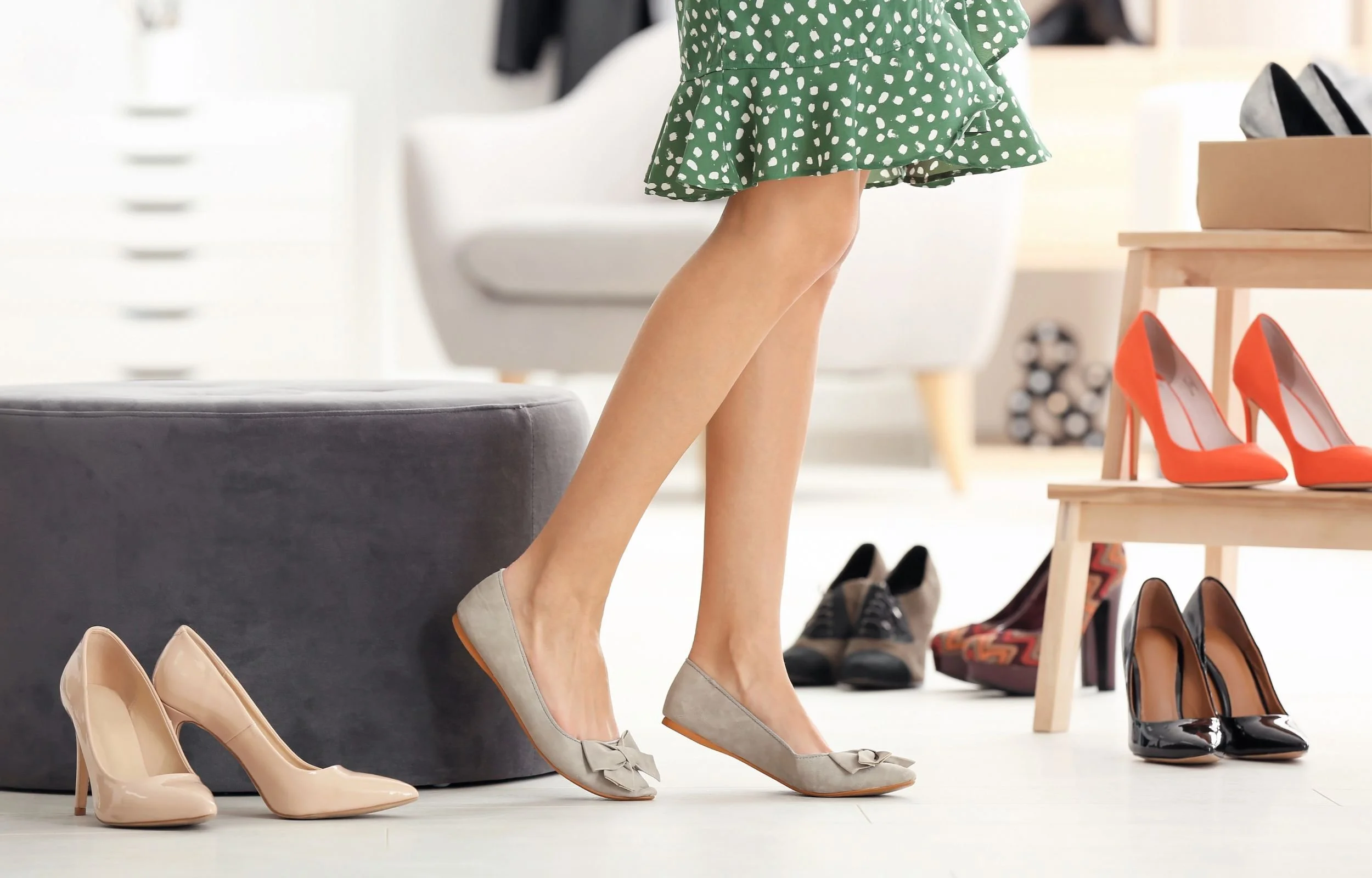
Finding the best shoes for your foot shape comes down to understanding what your feet need—and choosing based on that, not just on looks. Whether you're shopping for boots, sneakers, or sandals, here’s what you’ve gotta keep in mind.
Arch Support That Matches Your Actual Arch
Low, medium, or high—you’ve got an arch type, and it matters. Shoes without the right kind of support can throw off your alignment and strain your ankles, knees, and lower back. High arches need cushioning that absorbs shock. Flat feet need firm midsoles to reduce overpronation. Most people fall somewhere in between.
You can use the towel test to figure out where you land—step onto a paper towel with wet feet. A full imprint means low arches. A narrow imprint with a gap in the middle? That’s a high arch.
Width That Doesn't Squeeze or Slide
Foot width often gets ignored, but it shouldn’t. Wearing shoes that are too narrow causes rubbing and pressure. Too wide, and your foot slides around, which leads to instability and blisters. If your toes spill over the sides or the upper puckers near the laces, the fit’s wrong. Your foot should sit flat and centered in the shoe, with no bulging or floating.
Toe Shape That Matches Your Foot's Front
Your toes need room to move, especially if you’ve got a wide forefoot or longer second toe. That’s where toe shape comes in. You can get some types of shoes—like boots—with different toe shapes. For example, two popular options for cowboy boots include the snip toe and round toe. The shape of your foot will affect what toe shapes actually work on you. Wearing a pointed toe when your foot’s more square? That’s asking for cramped toes and sore joints.
Heel Height That Works with Your Foot Mechanics
Heels change how your foot hits the ground. If you’ve got flat feet or tight calves, higher heels can throw your balance off fast. On the flip side, people with high arches may feel more stable in a slight lift.
Materials That Adapt Instead of Fight
Your shoes need to move with you, not fight against you. The material makes a difference in how comfortable your shoes stay throughout the day:
Leather, mesh, or knit uppers flex with your foot as it moves and swells.
Rigid synthetics don’t stretch, which causes rubbing and pressure points.
Soft, flexible materials help if you’ve got bunions, bone spurs, or a foot shape that’s not totally symmetrical.
Breathable fabrics keep feet cooler, which matters more if your shoes fit snug or your feet run wide.
Good materials adapt to your foot instead of forcing your foot to adapt to them.
Make Comfort the Standard
Finding the best shoes for your foot shape means paying attention to the details most people skip. Don’t settle for shoes that just look good—make sure they actually fit your feet the way they need.