From Back To Belly: Exploring The Sleep Position Spectrum For Better Rest
Sleep positions vary widely across families, shaped by comfort, habit, and physical needs. While most people settle into a familiar posture without much thought, the way the body rests overnight can influence sleep quality, breathing, and musculoskeletal comfort. Understanding the sleep position spectrum helps families make informed choices that support rest at every age.
Back Sleeping and Spinal Alignment
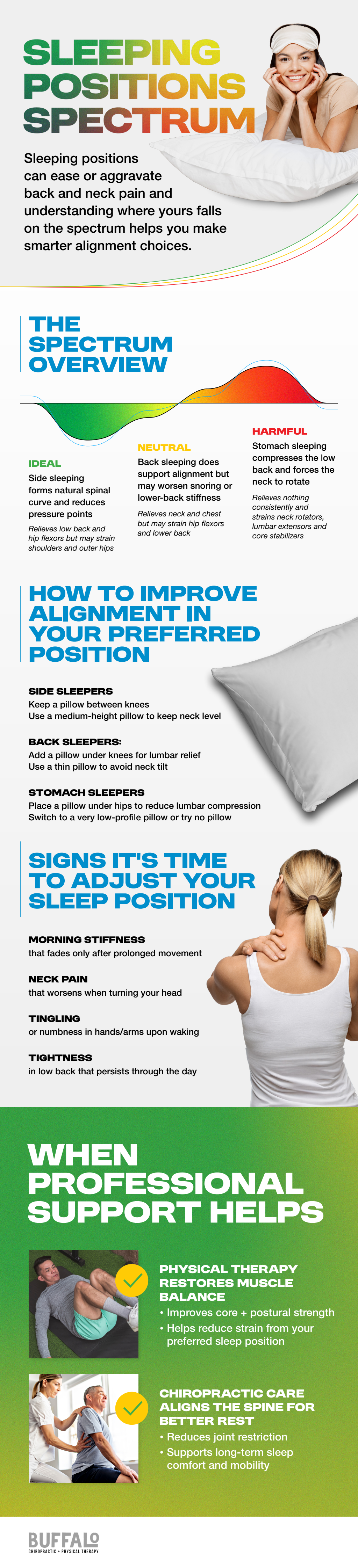
Sleeping on the back is often associated with even weight distribution and neutral spine positioning. This posture allows the head, neck, and torso to rest in alignment when supported by an appropriate pillow and mattress. For some sleepers, back sleeping reduces pressure on joints and minimizes facial contact with bedding.

However, this position may contribute to snoring or breathing disruption. Small adjustments, such as elevating the head or placing support under the knees, can improve comfort without forcing a complete change in habit.
Side Sleeping and Pressure Balance
Side sleeping is one of the most common positions across age groups. Many people find it comfortable and supportive, especially when the mattress cushions shoulders and hips evenly. Side sleeping can also promote better airflow for some individuals.
Proper alignment matters. A pillow that fills the space between the mattress and the head helps keep the neck neutral. Some sleepers benefit from placing a pillow between the knees to reduce strain on the lower back and hips.
Stomach Sleeping and Comfort Trade-Offs
Stomach sleeping often develops early and persists out of habit rather than support. While some find it soothing, this position places the neck in rotation for extended periods. It may also increase pressure on the lower back. For stomach sleepers, using a thin pillow or no pillow under the head can reduce neck strain. Placing a small pillow under the pelvis may also help support spinal curves.
Combination Sleepers and Night Movement
Many people move through several positions during the night. Combination sleepers benefit from flexible bedding that accommodates movement without disrupting support. Mattresses with responsive surfaces allow sleepers to shift positions while maintaining alignment. This adaptability is especially helpful for children and adults who change posture frequently as they sleep.
Sleep Positions Across Life Stages
Sleep needs evolve. Infants require safe sleep practices that prioritize back sleeping. Children experiment with positions as their bodies grow. Adults may adjust due to work demands, stress, or injury. Older adults often seek positions that reduce joint discomfort and stiffness. In some cases, guidance from healthcare providers or physical therapy professionals helps individuals find positions that support healing and comfort during recovery or chronic discomfort.
Creating a Supportive Sleep Environment
Beyond position, the sleep environment influences comfort. Mattress firmness, pillow height, and temperature all interact with posture. Families benefit from reassessing sleep setups periodically as bodies and needs change. Encouraging good sleep habits complements physical comfort.
The sleep position spectrum reflects individual needs rather than rigid rules. By observing how different positions affect rest and comfort, families can make thoughtful adjustments that support healthy sleep. Small changes often lead to noticeable improvements. Check out the infographic below for more information.