Hands-On Value: A Practical Guide To Investing In Analog Hobbies
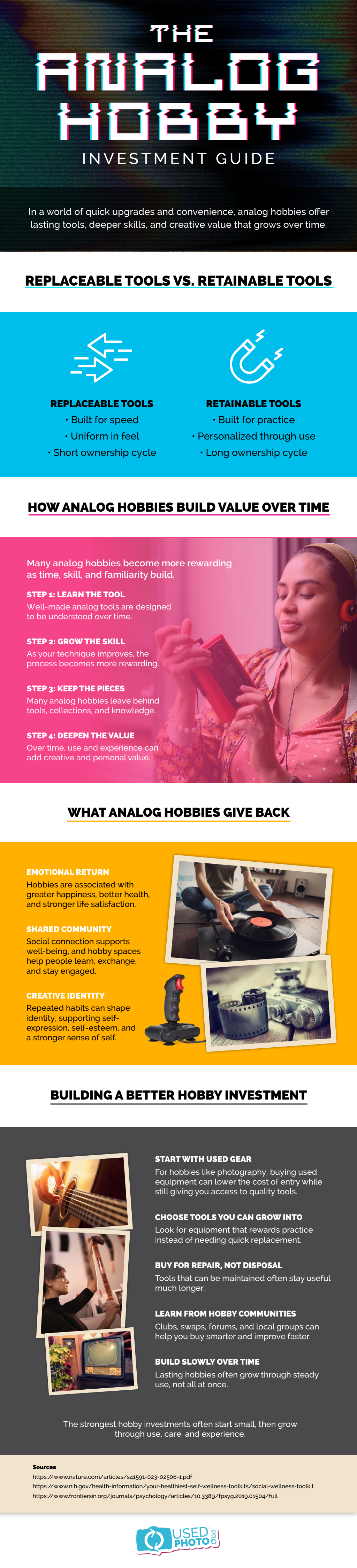
Analog hobbies are gaining attention again. Activities like film photography, vinyl collecting, and model building offer a break from screens. They also involve physical items that can hold value over time. For many people, these hobbies provide both personal enjoyment and a form of investment.
Understanding What Drives Value
Value in analog hobbies often depends on rarity, condition, and demand. Items that are well preserved and harder to find tend to attract more interest. Brand reputation can also influence price, especially for tools and equipment.
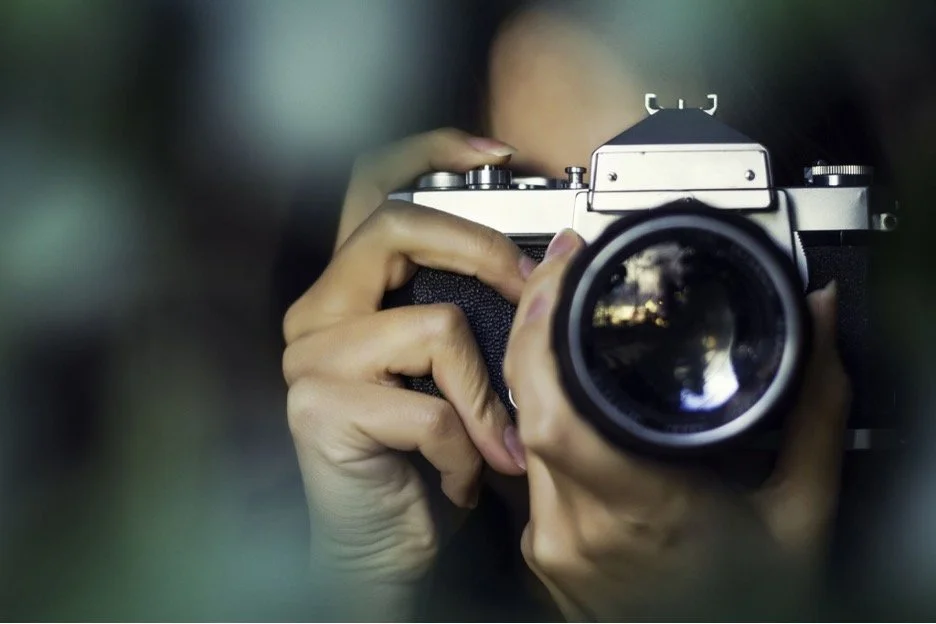
Trends may change over time, so it helps to focus on items with steady appeal. For example, classic cameras or quality audio gear often maintain interest across different groups.
Learning what collectors look for can guide smarter purchases. This knowledge can also help avoid overpaying for items that may not hold value.
Start with Quality Equipment
The tools used in analog hobbies play a major role in both experience and value. High quality equipment tends to last longer and perform better. This makes it easier to enjoy the hobby while also protecting your investment.
Some hobbyists look for options like used mirrorless lenses to balance cost and performance. Buying secondhand can provide access to better gear without paying full retail prices.
Checking condition and functionality before buying is always important. Asking questions and reviewing product history can also help reduce risk.
Maintain and Store Properly
Care and storage affect long term value. Dust, moisture, and heat can damage items over time. Keeping equipment clean and stored in a stable environment helps preserve condition.
Regular maintenance also matters. For example, cleaning camera lenses or properly storing vinyl records can prevent wear. Small efforts can make a big difference in how items hold value. Using protective cases or storage systems can add another layer of protection.
Track Costs and Set Limits
Analog hobbies can become expensive if spending is not managed. Setting a budget helps control costs and prevents impulse purchases. Tracking expenses also provides a clear view of how much has been invested.
Some people choose to focus on a specific category, such as cameras or records, rather than collecting broadly. This approach can help build deeper knowledge and improve decision making.
Clear limits support steady and sustainable growth. Over time, this helps create a more focused and valuable collection.
Know When to Buy and Sell
Timing can affect value. Buying during periods of lower demand may offer better prices. Selling when interest rises can lead to stronger returns.
Monitoring marketplaces and collector communities can provide useful insights. Watching how prices change over time helps identify patterns. Patience often plays a key role in making better decisions. Rushing into purchases can lead to regret and lower returns.
Analog hobbies offer more than entertainment. They provide a way to engage with physical items that can hold or increase in value. With careful choices, proper care, and steady planning, it is possible to enjoy these hobbies while building a collection that stands the test of time. Check out the infographic below for more information.