How To Build a More Sustainable Personal Style
A closet can hold plenty of clothes and still leave you wondering what to wear. Usually, the problem has less to do with quantity than with how well those pieces reflect your taste, work together, and suit the life you live.
How to build a more sustainable personal style is therefore less about following a rigid set of shopping rules and more about becoming deliberate. By understanding your wardrobe, evaluating potential purchases more carefully, and taking better care of what you own, you can develop a style that feels distinctive without depending on constant consumption.
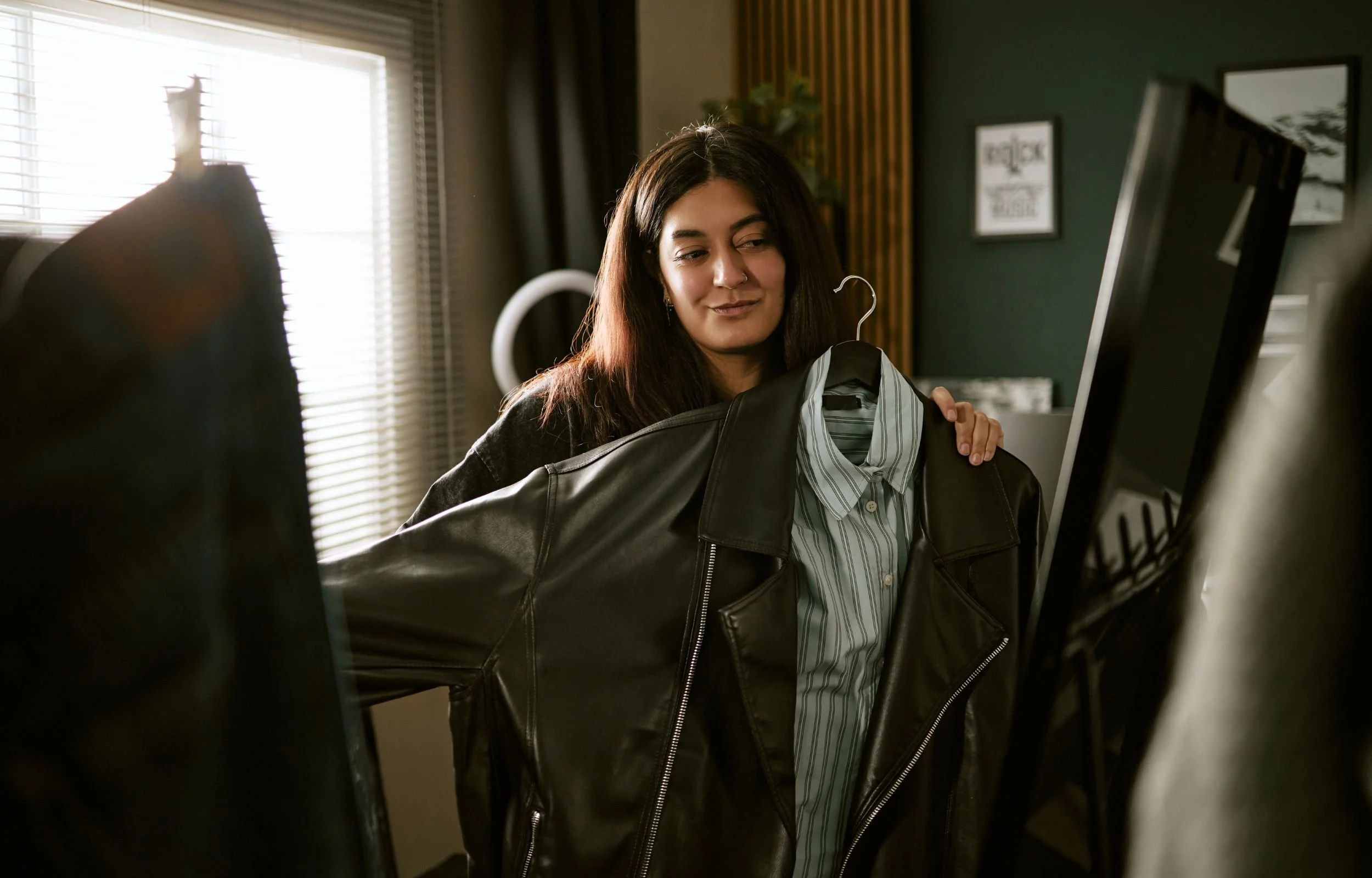
Start With the Wardrobe You Already Own
Before buying something new, spend time with the clothes and accessories already in your closet. Pay attention to the pieces you wear repeatedly and consider what makes them successful. A favorite jacket might work because its shape complements much of your wardrobe, whereas a dependable pair of shoes may earn frequent use because they suit several parts of your routine.
Looking at the purchases that rarely leave your closet can reveal just as much about your personal style as examining your favorites. Maybe you love bright colors in the store but consistently dress in softer shades, or perhaps certain silhouettes make you feel much more like yourself. Recognizing those patterns gives future purchases some direction and makes it easier to distinguish between something you genuinely love and something that simply caught your attention for five minutes.
Fill Genuine Gaps Instead of Chasing Novelty
Once you understand what already works, identify where your wardrobe genuinely falls short. Perhaps you own plenty of casual clothing but lack something suitable for dinners and special events. Maybe statement pieces have taken over while the simple staples needed to turn them into actual outfits are mysteriously absent. Giving a potential purchase a job before bringing it home can put some useful distance between you and an impulse buy.
Looking at a potential purchase in the context of your existing wardrobe makes novelty alone less persuasive. Before purchasing something, consider where you would wear it and whether it complements pieces you already own. Clothing that answers a recurring need has a stronger chance of becoming part of your regular rotation and earning consistent wear throughout its life.
Look Beyond the Material Label
Material choices deserve more thought than simply dividing fabrics into categories that seem sustainable or unsustainable. Production methods and intended use can affect the larger picture, while durability determines whether an item can withstand the demands you place on it. Looking beyond the material name gives you a better sense of whether a piece makes sense for your wardrobe and how you plan to wear it.
Leather offers a useful example of why material decisions can require closer examination. The argument that exotic leather is a sustainable material considers factors such as how manufacturers source the material and what happens throughout its usable life. Whatever material you're considering, looking at where it comes from and how well it suits the item can tell you more than the name on the label.
Prioritize Construction and Practical Longevity
Even the perfect-looking garment loses some of its appeal if it starts falling apart after a handful of wears. Before purchasing, look closely at the details that indicate how thoughtfully someone made the piece. Seams should feel secure, closures should operate smoothly, and the overall construction should suit the demands you expect to place on it.
Practical longevity involves more than physical durability, however. A beautifully constructed coat does little for your closet if the color fights with everything you own or the shape never feels quite right once you get home. Consider whether the item suits your climate and daily activities before deciding that durability alone justifies the purchase. The strongest additions combine dependable construction with enough relevance to remain useful as your wardrobe evolves.
Think in Outfits Before You Buy
Some clothes have an unfortunate talent for looking fantastic in the store and then refusing to cooperate with a single thing at home. Before purchasing, picture several realistic outfits that incorporate the item using clothing already in your closet. If creating even one requires buying three more things, you may have found a future closet decoration rather than a useful addition. This quick exercise shifts attention away from the isolated appeal of a product and toward the role it would play.
Versatility does not mean every garment needs to look neutral or understated. A distinctive coat can become remarkably useful when it works with several outfits, while a simple shirt may offer little value if its cut clashes with the rest of your wardrobe. A sustainable personal style comes from building relationships between pieces, allowing more of your closet to work together without sacrificing individuality.
Care for Clothes According to Their Needs
What happens after the shopping bag comes home matters just as much as what happened before you bought it. Check care labels before washing, then follow the instructions appropriate to the fabric and construction. Some garments benefit from less frequent washing, while shoes or leather accessories may require occasional conditioning and proper storage to maintain their shape.
Small repairs can extend usefulness as well. Replacing a missing button or fixing a loose hem may return a familiar piece to regular rotation without requiring a replacement. When clothing receives attention before minor wear becomes substantial damage, regular maintenance becomes a natural part of caring for your wardrobe.
Reconsider What “New” Means
A wardrobe refresh does not always require newly manufactured clothing. Secondhand stores and vintage shops can introduce pieces from different eras while giving existing garments another period of use. Clothing swaps offer another way to change what you wear without relying on conventional retail.
Working with what you already own can create the same sense of renewal. A tailor may adjust a garment that no longer fits as you prefer, while different styling can make an overlooked piece feel relevant again. Once “new” starts to mean new to you or newly wearable, refreshing your style becomes much less dependent on buying more.
Develop a Style That Lasts Beyond a Season
Because the most satisfying wardrobes rarely appear after one big shopping trip, developing your personal style means gradually recognizing what makes you feel good and what works naturally with the rest of your closet. You also become better at spotting the purchases that probably won't live up to their fitting-room promise, making it easier to build a wardrobe filled with pieces you genuinely want to wear.
Ultimately, how to build a more sustainable personal style comes down to making your wardrobe reflect the way you actually dress. When new purchases have a clear purpose and existing pieces receive the attention they deserve, sustainability becomes naturally integrated into your personal style and everyday wardrobe decisions.