Influencer Marketing for Fashion Brands: A Practical Guide to Getting Started
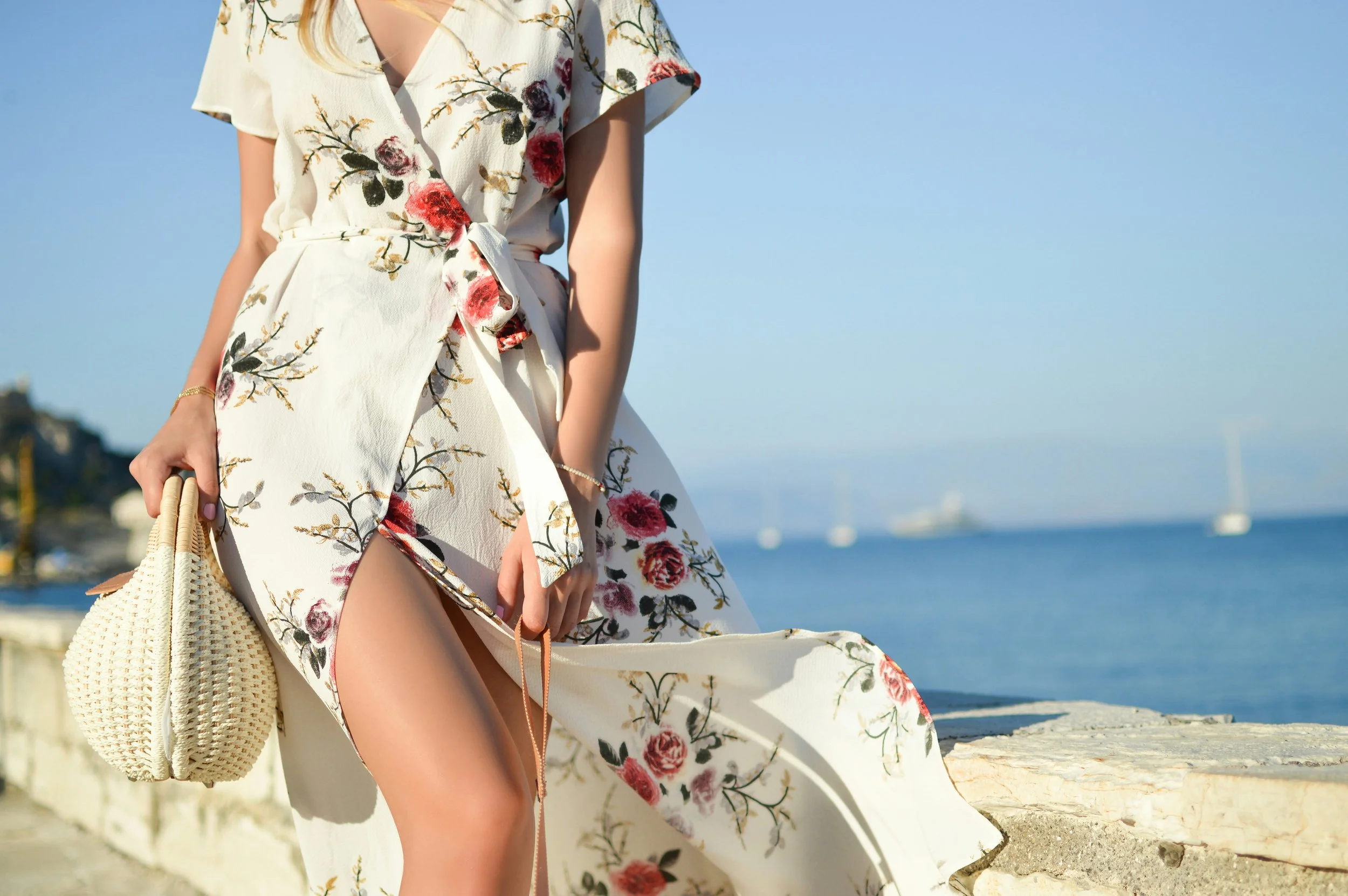
Photo by Tamara Bellis on Unsplash
One of the best ways to market fashion products is to have them tried on by a real model. But not every brand has access to professional models or a big production budget. So, how can you overcome that?
Influencer marketing is one of the best options out there. You have a group of stylish, trusted individuals who showcase your products to their followers. These moments of authenticity can make your brand feel more relatable and desirable.
We’ll walk through ten practical steps to help you start your first influencer marketing campaign, from setting clear goals to finding the right creators and measuring your success. Also, we got some common mistakes you MUST avoid!
Step #1: Define Your Goals
Before reaching out to influencers, take a moment to ask yourself why you’re doing this campaign. Some important questions you must ask yourself are:
Are you trying to get more people to know your brand?
Do you want to increase sales for a new collection?
Do you want to generate user-generated content you can reuse for ads?
Defining your goals gives direction to everything else, from the kind of influencers you’ll work with to the content they’ll create. If you're new to this explainer video strategy, here's a quick guide:
If your goal is brand awareness, focus on influencers with high reach and engagement who can introduce your products to new audiences.
If your goal is sales, choose influencers known for strong audience trust and product recommendations.
If your goal is content creation, work with creators skilled at producing visually appealing photos or videos that align with your aesthetic.
Once you’ve set your goals, make sure your marketing content aligns with them. If you want brand awareness, your content should be shareable and eye-catching. For sales, it should highlight key product benefits, promo codes, or direct calls to action.
Step #2: Identify the Right Influencers
Not all influencers are created equal. Each category serves a different purpose, and the best one for you depends on your brand size, budget, and goals. Typically, influencers come down into four categories:
Mega influencers (1M+ followers): Great for massive reach and brand exposure, but usually costly.
Macro influencers (100K–1M): Offer wide reach with slightly better engagement rates and more flexibility.
Micro influencers (10K–100K): Known for niche audiences and authentic connections — perfect for smaller brands.
Nano influencers (1K–10K): Highly trusted by their followers; great for hyper-local or community-focused campaigns.
Which one is right for you? If you’re a small or growing fashion brand, start with micro or nano influencers. They’re more affordable, often open to product collaborations, and can bring more genuine engagement.
Larger brands, on the other hand, may mix macro and micro influencers for both scale and authenticity. More importantly, when choosing influencers, consider these key factors:
Audience alignment: Do their followers match your target demographic (age, location, interests)?
Content style: Does their aesthetic fit your brand’s visual tone?
Engagement rate: Do people actually interact with their posts?
Authenticity: Do they promote too many unrelated brands, or does their content feel organic?
Reputation: Make sure they have a clean image and positive audience sentiment.
Step #3: Create a Clear Collaboration Brief
Once you’ve found your influencers, communication is everything. A collaboration brief helps ensure both sides are on the same page. It’s your roadmap for the campaign. A good brief should include at least these six points:
Campaign objective: What’s the main goal (awareness, engagement, sales)?
Content deliverables: How many posts, stories, or videos are required?
Key messages: What do you want the influencer to highlight? (e.g., sustainable materials, new collection drop)
Brand guidelines: Visual tone, preferred hashtags, tags, or words to avoid.
Timeline: When the content should go live and for how long.
Compensation details: Payment, product gifting, affiliate code, etc.
Here’s a short example:
Campaign: Summer Collection Launch
Goal: Drive awareness and traffic to our website
Deliverables: 1 Instagram Reel + 2 Story frames
Key Message: “Light, breathable linen for effortless summer style.”
Hashtags: #YourBrandName #SummerWithStyle
Timeline: Content to be posted between June 10–15
Compensation: $250 + 2 products of your choice
Keep the brief clear but flexible. Let the influencer adapt your message in their own voice. Always have your brief agreed upon by the influencer to minimize any miscommunications and unnecessary conflicts along the way.
Step #4: Set a Realistic Budget
Fashion influencers can be really pricey, especially with macro and mega influencers. But you don’t need to spend a fortune to get results. The key is setting a budget that matches your goals and campaign scale.
If you’re just starting out, begin with a small test budget — anywhere from $300 to $1,000 — and work with micro or nano influencers who are open to product collaborations or lower fees.
Many up-and-coming creators are happy to promote your items in exchange for gifted products, especially if they love your brand’s aesthetic. So, please specifically talk about this with your influencer.
As your campaign grows, you can move toward paid collaborations with mid-tier or macro influencers. Here’s a rough price range (which varies by country and platform):
Nano influencers (1K–10K followers): Often $0–$100 per post or gifted products
Micro influencers (10K–100K followers): $100–$500 per post
Macro influencers (100K–1M followers): $500–$5,000 per post
Mega influencers (1M+ followers): $5,000+ per post
Also, keep in mind that pricing depends on engagement, platform, and deliverables. Also, additional costs such as product shipping, content production, ad boosts, or campaign management tools may take your budget.
Step #5: Decide Content Types & Timeline
Once your goals and budget are set, it’s time to plan what kind of content your influencers will create and when they’ll post it. Common content types for fashion influencer campaigns are Instagram posts, reels, or stories, TikTok videos, YouTube videos, and blog features.
You don't have to create all of them at once. We recommend investing in content based on budget. On a tight budget, focus on Instagram Stories or Reels with micro-influencers.
With a moderate budget, mix Reels, posts, and TikToks to maximize reach. For a larger budget, combine influencer videos with paid ads or whitelisting (running ads through influencer accounts).
Moreover, planning your timeline is just as crucial. A campaign usually runs 2–6 weeks, depending on your goal. Here’s an example timeline for a small fashion brand’s summer collection launch:
Week 1: Send products to influencers and finalize briefs.
Week 2–3: Influencers create and post teaser content (unboxing, first impressions).
Week 4–5: Main campaign posts go live — full outfit looks or styling ideas.
Week 6: Collect analytics, repost best-performing content, and review results.
Having a clear timeline ensures your campaign flows smoothly and that your product drops and influencer content align perfectly.
Step #6: Choose The Right Platforms
Not every platform fits your brand. The key is finding where your audience spends the most time and tailoring your content to that environment.
For many small to mid-size fashion brands, starting with Instagram and TikTok provides the best visibility and return. Here’s a breakdown of popular platforms for fashion brands:
1. Instagram
Still the go-to platform for fashion. It’s all about aesthetics and visual storytelling. Focus on Reels and carousel posts. They perform best for showcasing outfits or styling ideas. Use “Shop Now” tags to connect content directly to your e-commerce page.
2. TikTok
Where trends start, especially among Gen Z. Perfect for quick styling tutorials, hauls, or “get ready with me” videos. Authenticity wins here, so keep it raw, real, and entertaining. Join trending sounds or challenges early to increase visibility.
3. YouTube
Ideal for longer storytelling or reviews. Great for lookbooks, styling tips, or detailed product demos. Works well for mid-to-high-tier influencers who build deep audience trust. Add discount codes or links in the description for measurable ROI.
Step #7: Track Performance and ROI
Once your campaign is live, don’t just sit back and hope it works. Track it!
Measuring performance helps you understand what’s actually moving the needle and where to improve next time. The metrics you track depend on your campaign goals.
If your goal is brand awareness, focus on reach, impressions, and follower growth. These show how many new people discovered your brand.
If your goal is engagement, look at likes, comments, shares, saves, and story views. These metrics reveal how interested people are in your content.
If your goal is sales or conversions, track link clicks, discount code redemptions, website traffic, and purchases. Use tools like Google Analytics or Shopify analytics to trace influencer-driven traffic.
A few key performance indicators (KPIs) most fashion brands monitor include:
Engagement rate (total engagement ÷ total followers)
Cost per engagement (total spend ÷ total engagement)
Conversion rate (sales ÷ clicks or visitors)
Return on ad spend (ROAS) if you run paid boosts
Don’t forget qualitative feedback, too. Comments like “Where can I buy this?” or “This outfit is so you!” often indicate strong intent or brand resonance. You’ll learn which influencers and content formats give you the best return by looking at those metrics.
Step #8: Build Long-Term Relationships
Think beyond one-off campaigns. The most successful fashion brands build ongoing partnerships with influencers who genuinely love their products. Why?
Because authenticity grows over time. When followers repeatedly see an influencer wearing or mentioning your brand, it feels more natural and trustworthy. The goal is to turn influencers into brand advocates.
Is it hard to build long-term relationships with influencers? Here some ways you can do to maintain a good connection:
Stay in touch: Follow your influencers’ content even when you’re not running a campaign. Engage with their posts or comment genuinely.
Offer exclusivity: Give them early access to new collections or special editions.
Collaborate creatively: Let them be part of design ideas, campaign concepts, or lookbook shoots.
Reward loyalty: Provide affiliate programs or performance bonuses for influencers who consistently deliver results.
Step #9: Don’t Ignore FTC Disclosure Rules
Influencer marketing might look casual, but it’s still regulated. The Federal Trade Commission (FTC) and similar authorities in many countries require influencers to clearly disclose when content is sponsored.
What does this mean? If an influencer receives payment, free products, or any other compensation from your brand, they must let their audience know, typically by including hashtags like #ad, #sponsored, or #gifted in their posts.
Why is it important?
It keeps marketing transparent and helps audiences trust both the influencer and your brand.
It protects your business from legal risks or public backlash.
It maintains credibility. Audiences are more likely to appreciate honesty than feel deceived.
The disclosure should be clear and visible, not buried among dozens of hashtags. Even if you only gift a product, it still counts as compensation. Include disclosure requirements in your influencer brief to ensure compliance from the start.
Step #10: Avoid Common Mistakes
Even with a solid plan, influencer marketing can go wrong if you overlook the small things. Common mistakes are harmful as they lead to wasted budget, weak engagement, and damaged brand reputation.
Here are some of the most common mistakes fashion brands make, and why they can cost you:
#1. Choosing influencers only based on follower count
It’s tempting to pick someone with a huge audience, but large numbers don’t always mean real influence. Without engagement or audience relevance, your message gets lost.
#2. Ignoring brand–influencer mismatch
If an influencer’s aesthetic, values, or tone don’t match your brand, the content will feel forced, and followers can sense that immediately.
#3. Skipping proper contracts
Verbal agreements can lead to misunderstandings about deliverables, timelines, or payment. Always use a written contract that outlines expectations clearly.
#4. Neglecting performance tracking
Many brands launch a campaign and move on without measuring results. This means you’ll never know what truly worked or didn’t.
#5. Micromanaging creative direction
When you over-control an influencer’s creative process, the content loses authenticity. Influencers know their audience best, so trust their instincts.
#6. Failing to repurpose influencer content
Once the post goes live, the value doesn’t end there. Reuse that content for your ads, website, or email campaigns (with permission). It extends your ROI.
Let’s Get In Touch with Those Influencers!
Now that you understand the steps, it’s time to take action. But remember, influencer marketing goes beyond paying someone to wear your clothes.
Other than the ten tips above, here is an extra tip: keep experimenting. Social media platforms evolve quickly, and so do influencer trends. Try new content formats, test different platforms, and stay open to new ways of storytelling.
The more you learn, the stronger and more authentic your campaigns will become. In fashion, influence means being remembered. So go ahead! Reach out, collaborate, and let real people bring your brand to life!
Author Bio
Andre Oentoro is the founder of Breadnbeyond, an award-winning explainer video company. He helps businesses increase conversion rates, close more sales, and get positive ROI from explainer videos (in that order).