Personalized Style Feeds: The New Standard for Fashion Content Marketing in 2026
Fashion has always been personal, but fashion content hasn’t. That changes in 2026. Personalized style feeds are closing the gap between inspiration and individuality to deliver content that adapts to taste, behavior, and context. A new content marketing standard where relevance matters more than reach.
So what does this shift actually mean for fashion brands? This article breaks down how personalized style feeds work, why audiences now expect them, and how they’re changing the way fashion content is created and distributed in 2026.
Why Personalized Style Feeds Became the New Baseline
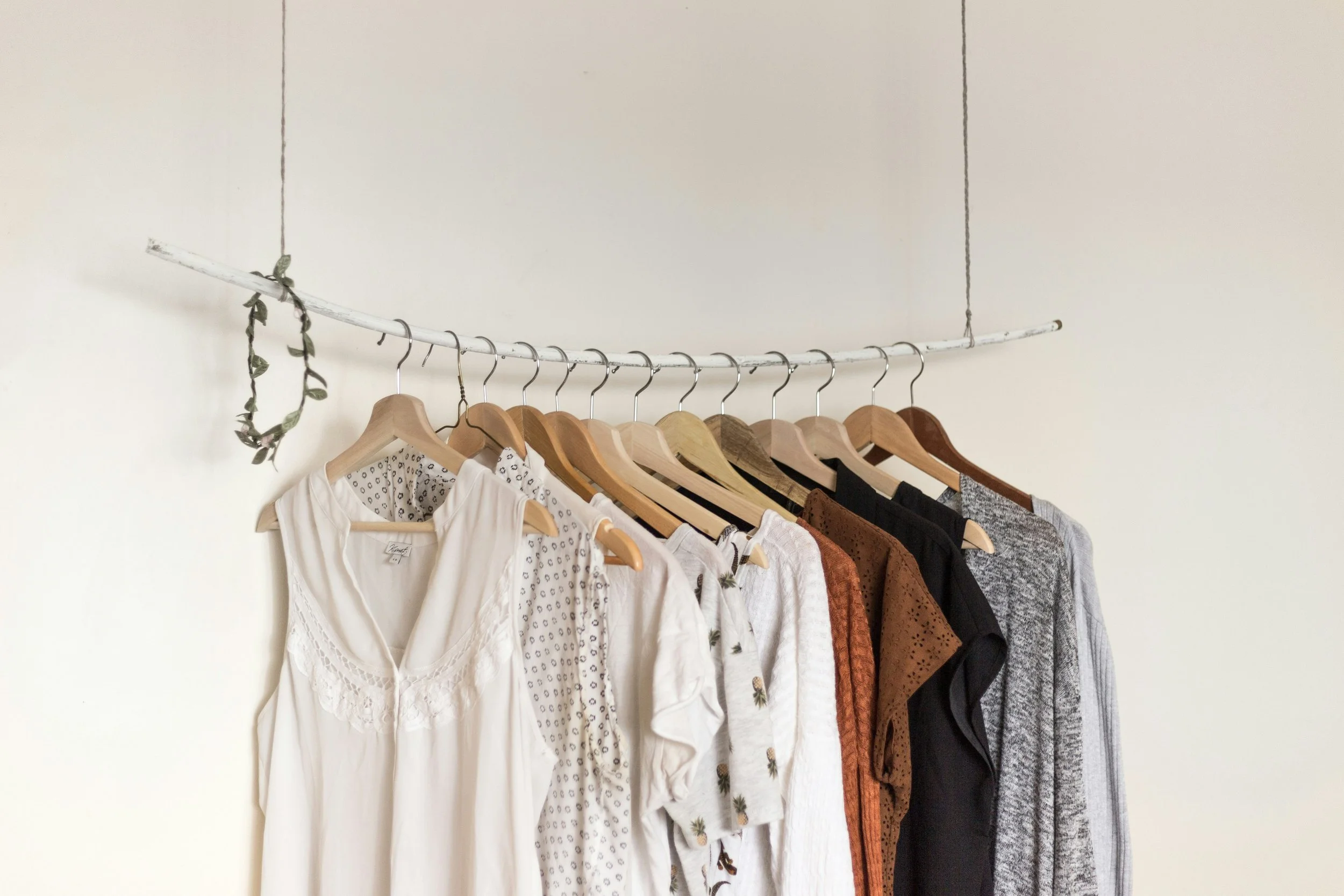
Photo by Priscilla Du Preez 🇨🇦 on Unsplash
Personalized style feeds didn’t become the norm overnight. They emerged as a direct response to how audiences interact with fashion content today, that is, fast, selectively, and with little patience for anything that feels generic. And by 2026, personalization is no longer a “nice-to-have” feature; it’s the minimum expectation for staying relevant in a crowded fashion ecosystem.
From Mass Inspiration to Individual Relevance
For years, fashion content relied on broad inspiration: seasonal lookbooks, trend forecasts, and curated collections designed to appeal to as many people as possible.
While visually compelling, this approach often assumed that inspiration alone was enough to drive engagement. Over time, audiences began scrolling past content that didn’t reflect their personal style or real-life needs.
Personalized style feeds flipped this model by prioritizing individual relevance that serves outfits, styling ideas, and product content based on what people actually interact with, not what brands want to push at scale.
Changing Consumer Expectations in Fashion Discovery
Fashion discovery has shifted from active searching to passive scrolling. Consumers now expect platforms to “understand” their preferences without having to explain them.
Likes, saves, time spent viewing an item, and even skipped content quietly shape what appears next. In this environment, personalization feels less like a feature and more like basic functionality.
When a feed consistently reflects someone’s taste, body type preferences, budget range, or lifestyle, it builds a sense of familiarity that traditional content struggles to match.
Platform Algorithms Are Driving Personalization Forward
Social media platforms and e-commerce apps have played a major role in normalizing personalized feeds. Algorithm-driven recommendations have trained users to expect content that adapts in real time.
Fashion brands operating within these ecosystems naturally follow suit, optimizing their content to fit into personalized discovery loops. As a result, content marketing strategies have shifted away from static campaigns toward flexible content systems that can be remixed and re-delivered to different audience segments.
Personalization as a Trust and Retention Tool
Beyond performance metrics, personalized style feeds help build long-term trust. When content consistently feels relevant, audiences are more likely to return, engage, and eventually convert.
Instead of overwhelming users with endless options, personalization reduces friction by narrowing choices in a way that feels helpful rather than restrictive. In 2026, this sense of being understood is what keeps fashion audiences loyal. This makes personalized style feeds not just effective, but essential.
How Personalized Style Feeds Are Reshaping Fashion Content Marketing
As personalized style feeds become the baseline, fashion content marketing is being reshaped at a structural level. The shift is more about creation, distribution, and optimization over time. So for the year ahead, successful fashion brands are designing content ecosystems that adapt continuously, rather than relying on fixed campaigns with a short shelf life.
Content That Adapts
Traditional fashion content was measured by reach and engagement, often judged by how well a single post performed. Personalized feeds change this mindset. Content is now designed to evolve by appearing in different formats, contexts, and sequences depending on user behavior.
Short-form videos, modular visuals, and even explainer videos allow fashion content to be repurposed and personalized without losing visual consistency across feeds.
A styling video might surface as inspiration for one audience segment, while becoming a product-focused recommendation for another. Performance still matters, but adaptability determines longevity.
The Role of Data and AI in Style Personalization
Data and AI sit at the core of personalized fashion content. Browsing patterns, saved looks, repeat purchases, and even dwell time inform how style feeds are curated. Rather than replacing creativity, AI helps fashion teams scale relevance by identifying patterns humans can’t track at volume.
In 2026, the most effective content strategies use data as a guide to allow creative direction to stay intentional while personalization happens in the background.
Balancing Automation with Creative Direction
One of the biggest challenges for fashion brands is maintaining a consistent brand identity while serving personalized content. Automated feeds risk feeling fragmented if creative direction isn’t clearly defined.
Strong visual systems, tone guidelines, and modular content assets help brands stay recognizable, even when content is dynamically assembled. Personalization works best when it amplifies a brand’s voice, not dilutes it.
What Fashion Brands Need to Rethink for 2026
Personalization-first content marketing requires new ways of planning. Instead of producing large, one-off campaigns, brands need flexible content libraries, cross-functional teams, and measurement frameworks that value long-term relevance.
Fashion content success is now less about predicting the next trend and more about understanding the audience well enough to deliver the right style story at the right moment.
Closing: Personalization as the Standard
Personalized style feeds have quietly reshaped what effective fashion content marketing looks like. The shift isn’t driven by novelty or technology alone, but by changing audience expectations around relevance, ease, and connection.
When fashion content reflects individual taste instead of broad assumptions, it naturally earns more attention and trust.
For fashion brands, the takeaway is that success now comes from building systems that listen, adapt, and evolve alongside the audience. Personalization is now all about creating content experiences that feel thoughtful, timely, and human at scale. And in a landscape where attention is limited, relevance is what keeps fashion content moving forward.
Author Bio
Andre Oentoro is the founder of Breadnbeyond, an award-winning explainer video company. He helps businesses increase conversion rates, close more sales, and get positive ROI from explainer videos (in that order).