What to Know About Denim Weight Before Buying Jeans
When you purchase a new pair of jeans, what do you look at? The size, obviously. You probably pay attention to the cut too. But do you make sure to check the denim weight?
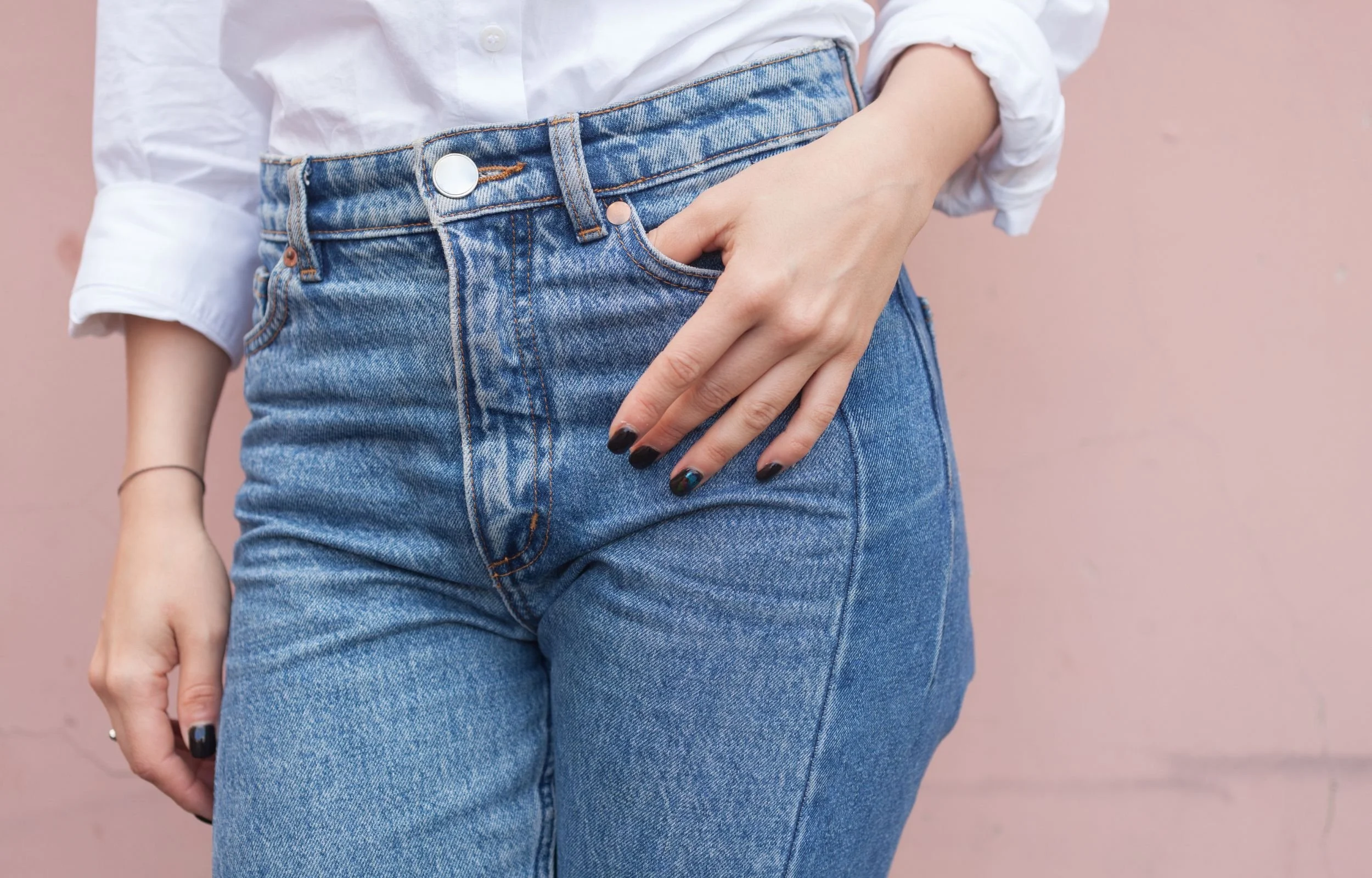
Denim jeans come in several weight ranges, and the number affects how the fabric wears against your body and how much structure the jeans have. If you’ve ever wondered why one pair feels airy while another seems almost rigid, weight is part of the answer. Here’s what you need to know about the three main categories before you buy your next pair.
Lightweight Denim
Lightweight denim generally weighs under 12 ounces per square yard. It uses thinner fabric than the other categories, so the jeans bend easily and place less weight on your legs.
5 To 7 Oz
Denim between 5 and 7 ounces sits at the lightest end of the range. The fabric is thin and flexible, with very little of the stiffness you may associate with traditional jeans.
This weight is best for very hot weather or lightweight fashion denim. You get less insulation around your legs, which is useful when heavier jeans sound miserable in summer.
The thinner fabric comes with less resistance to abrasion. For casual wear, though, that may not be a concern.
8 To 9 Oz
At 8 to 9 ounces, denim stays light while giving you a little more fabric than the thinnest options. The jeans remain flexible without seeming quite as delicate.
This range suits warm-weather everyday wear because the fabric gives you more coverage than ultra-light denim without adding much weight. You still get easy movement without the thinness of a 5- to 7-ounce pair.
You also won't face much of a break-in period. The lower density lets the fabric bend readily from the beginning.
10 To 11 Oz
Denim between 10 and 11 ounces sits near the upper end of the lightweight category. It has more structure than very thin denim while keeping the lower weight that defines this group.
This range fits everyday jeans when you want lighter fabric without going extremely thin. It gives you more material around high-contact areas, which makes it better suited to regular wear than the lightest denim.
You still get less warmth than you would from a midweight pair, so the fabric stays more comfortable when temperatures rise.
Pros
Lightweight denim is easier to wear in warm weather because less fabric surrounds your legs.
The thinner construction bends easily when you sit or walk.
Most pairs require little break-in time before the fabric starts moving comfortably.
Lower-weight denim is useful if you dislike the heavy sensation of thick jeans.
Cons
Thin denim wears through sooner when it regularly rubs against rough surfaces.
You get less insulation when temperatures drop.
Very light fabric has less structure than traditional work denim.
High-contact areas may show wear sooner because there’s less material to work through.
Midweight Denim
Midweight denim generally falls between 12 and 16 ounces per square yard. It gives jeans more body than lightweight fabric without reaching the density of heavyweight denim.
12 To 13 Oz
At 12 to 13 ounces, denim sits at the lighter end of the midweight category. You get more structure than lightweight denim without a big increase in weight.
This range works well for everyday jeans if you want traditional denim without heavy fabric. It handles regular walking and sitting comfortably after a short break-in period.
The fabric also holds its shape better than lightweight denim, so the jeans keep a structured look without becoming rigid.
14 To 15 Oz
Denim between 14 and 15 ounces is thicker than lighter midweight options, but it still stays below heavyweight territory. New jeans in this range can start out firm, though the fabric softens with wear.
This jean weight is especially popular for use in western jeans because it gives the fabric enough thickness to handle repeated wear without making the jeans overly heavy. For riding or ranch work, that means you get more protection from abrasion without adding the bulk of heavyweight denim.
16 Oz
At 16 ounces, denim reaches the upper edge of the midweight category. The fabric has more structure than a 12-ounce pair and can take longer to soften.
This weight is best when you want sturdy jeans without crossing into true heavyweight denim. You get dense fabric that stands up to repeated wear without the bulk of a heavier pair.
You’ll get more warmth from 16-ounce denim during summer. When temperatures drop, that extra thickness can make the jeans more comfortable.
Pros
Midweight denim gives you more resistance to wear than lightweight fabric.
The fabric has enough body to hold a traditional jean shape.
You get a middle ground between thin summer denim and much heavier fabric.
Most midweight jeans soften without requiring the lengthy break-in period associated with very dense denim.
Cons
Heavier midweight pairs may seem stiff when they're new.
The extra fabric holds more warmth than lightweight denim.
A 16-ounce pair places noticeably more weight on your legs than thinner jeans.
Some people may prefer a lighter option for long periods of indoor sitting.
Heavyweight Denim
Heavyweight denim starts around 17 ounces per square yard. The fabric is thick and dense, giving the jeans much more structure than lighter categories.
17 To 18 Oz
Denim between 17 and 18 ounces is the entry point into heavyweight jeans. You get dense material without moving immediately into the most extreme end of the category.
This range is best for demanding wear when lighter jeans wear down too quickly. The extra fabric gives repeated friction more material to work through.
Expect some stiffness when the jeans are new. Regular wear loosens the fibers and makes movement easier over time.
19 To 20 Oz
At 19 to 20 ounces, heavyweight denim has a thicker build that you’ll register as soon as you put the jeans on. The fabric won’t bend as easily as lower weights, especially before it’s softened.
This range fits people who want thick jeans for demanding use. The dense fabric stands up better to rough surfaces and won’t lose its structure as quickly through repeated wear.
Warm weather is the main drawback. With more fabric around your legs, these jeans hold extra heat and may become uncomfortable when temperatures rise.
21 Oz and Up
Denim weighing 21 ounces or more sits at the extreme end of the category. These jeans use exceptionally dense fabric and come with a much longer break-in period.
This range is best for denim enthusiasts who specifically enjoy very heavy jeans. The thickness is part of the appeal.
For casual everyday wear, this amount of fabric may be unnecessary. It can also become uncomfortable during hot weather or long periods of sitting.
Pros
Heavyweight denim offers more material to withstand repeated abrasion.
Dense fabric gives jeans a rigid shape that lasts through extended wear.
The thickness provides more insulation in cold conditions.
Heavy denim develops pronounced folds as the fabric gradually softens around your movement.
Cons
New heavyweight jeans can restrict movement until the fabric loosens.
The added material makes each pair noticeably heavier.
Thick denim retains more warmth during hot weather.
Extremely heavy pairs require more time to soften enough for comfortable everyday movement.
Check The Weight Before You Buy
Denim weight ranges from thin lightweight fabric to extremely dense heavyweight denim, with midweight options filling the space between them.
Checking that number alongside your usual sizing information makes it easier to buy jeans that fit the way you plan to wear them.