How to Match Your Halo Hair Extensions to Your Natural Hair Color
Finding the right color match for your halo hair extensions helps you achieve a natural look that blends smoothly with your own hair. Mismatched shades can make the extensions stand out and look artificial, but choosing correctly creates depth and balance. To match your halo hair extensions to your natural color, study your undertones, test in natural light, and compare shades at your mid-lengths rather than just your roots or ends.
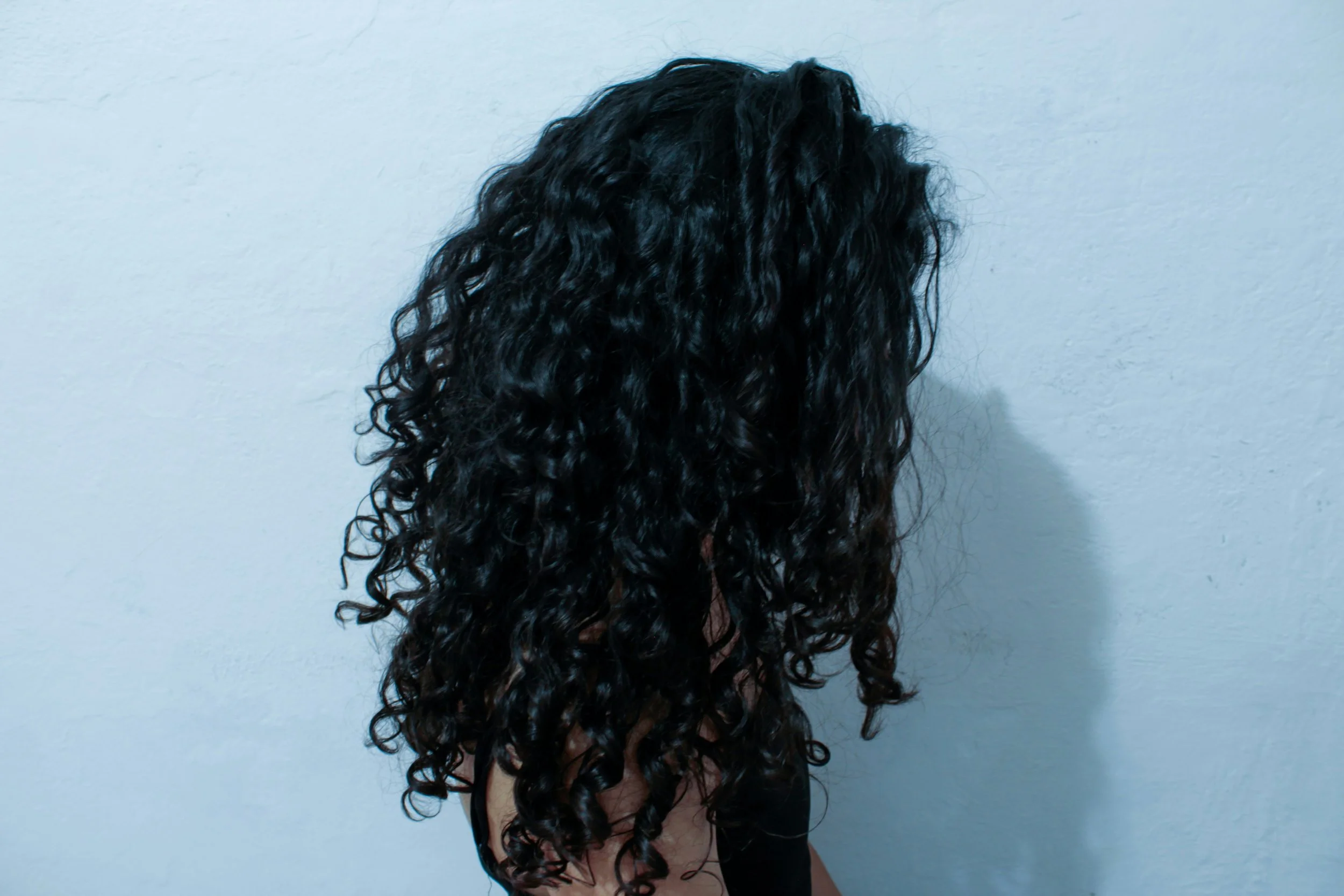
You may notice that lighting or undertones shift slightly from one area of your hair to another. This makes careful color testing important before deciding on a shade. In this guide, you’ll learn how to judge color tone, recognize subtle differences in shade, and use expert techniques that make the blend look seamless.
With the right approach, your halo extensions can look as though they grew from your scalp. The steps ahead will help you choose, match, and blend with confidence so your finished style appears smooth and natural every time.
Matching Halo Hair Extensions to Your Natural Hair Color
Your halo hair extensions should look like an extension of your real hair, not a separate piece. To do that, you need to identify your base shade, understand how highlights and lowlights affect tone, recognize undertones, and check color accuracy under natural light. Each of these steps helps you get a balanced, seamless match that blends with your natural movement and shine.
Identify Your Base Color
Start by matching the main shade that appears across most of your head. Look at the roots and mid-lengths in good daylight. Hair often changes shade between roots and ends, so note any differences before selecting your extension color.
Compare your base shade with color samples or charts that show tones from lightest to darkest. If you have layered tones or balayage, choose the color that blends best with the mid-length area because halo extensions usually sit around that level.
For a soft blend, consider texture as well. Straight hair usually reflects more light, while wavy hair extensions for women can diffuse light and mask minor shade mismatches. This detail matters more than you might expect, especially if your natural hair has body or movement.
Analyze Highlights and Lowlights
Highlights and lowlights add depth and make hair color appear more natural. Study your strands in bright, even lighting to see where lighter or darker streaks show. These tones create dimension, and choosing an extension that copies them gives your hair a fuller, multi-tonal look.
If your highlights are subtle, select extensions close to your base shade with slight variations. For bolder highlights, choose extensions that combine your base shade with lighter tones of the same color family.
Use this simple check:
Highlights visible: Choose a shade between your light and base tone.
Lowlights present: Go one shade darker than your base for balance.
This mix keeps your halo extensions from appearing flat or too uniform.
Determine Warm, Cool, or Neutral Undertones
Undertones decide how natural your extensions appear in everyday light. Warm tones have golden, copper, or honey reflections. Cool tones show ash, beige, or silver shades. Neutral tones fall between.
To find your undertone, hold a white cloth against your face in daylight. If your hair seems golden next to it, you likely have warm tones; if it looks ash or muted, your tones are cool. Balanced shades mean neutral.
Match your halo extensions within the same undertone group. Mixing warm and cool hues can create a mismatched or brassy look. If uncertain, a neutral undertone often blends safely with most natural hair colors.
Use Natural Lighting for Accurate Color Assessment
Artificial light can distort hair color. Fluorescent bulbs often make colors look greener or cooler, while yellow lighting adds warmth. Natural light shows your hair’s real tone and helps you see blend issues before you buy.
Photograph your hair near a window in daylight with no direct sun glare. Keep your hair down and straightened to show its full tone and texture. Compare those images to sample photos under the same type of lighting for the best match.
If your hair has multiple tones, view it from different sides. You may notice areas that appear lighter or darker. Matching based on this fuller view helps your halo blend evenly across your entire head.
Expert Techniques for Seamless Color Blending
A perfect color match between your halo hair extensions and your natural hair depends on depth, tone, and accurate comparison under different lighting. Paying attention to small details such as placement, mid-length color, and professional input can create a smooth, invisible blend.
Choose Multi-Tonal Extensions for Depth
Single-shade extensions rarely match real hair, which often includes natural highlights, lowlights, and subtle tone changes. Multi-tonal halo hair extensions add depth and replicate the way light reflects off your hair. This creates a soft transition between your natural color and the extensions.
Look for shades labeled as blended, balayage, or rooted. These options contain several hues mixed from root to tip. This variation helps the extensions blend better under different lighting, especially sunlight.
If your base color is medium brown, a mix with honey or caramel highlights may appear more natural than a flat brown. You can also layer pieces in slightly different tones for a balanced effect. This approach mimics salon color work without permanent dye.
Focus on Mid-Lengths and Ends for Best Match
Your hair roots often differ from the rest of your strands due to new growth and less sun exposure. The mid-lengths and ends, however, show the truest version of your current color. Matching your halo hair extensions to this section creates a more uniform appearance.
To test, hold a section of your extensions beside your mid-lengths under natural light. Avoid indoor lighting because it can distort tone and warmth. The ends also tend to be lighter, especially if you have highlights or balayage. Therefore, extensions that blend with the lighter ends usually look more natural than those that match the darker roots.
This strategy prevents harsh lines between your natural hair and the extensions and helps them move together more smoothly.
Test and Compare Shades Using Swatches or Digital Tools
Color accuracy depends heavily on light and viewing conditions. Before buying halo hair extensions, compare swatches directly against your hair. Real samples give the clearest result.
If physical swatches are unavailable, many digital tools can help estimate your color. Upload a clear photo taken in natural light with no filters or flash. Compare the shade output with your actual reflection in daylight.
Use the results as a guide, not a guarantee. Shades on screens may vary based on brightness or editing. For precision, test two or three close options side by side. You may find that a slightly lighter tone blends better once placed in your hair.
Seek Professional Color Matching When in Doubt
A stylist or extension specialist can assess your hair’s tone, texture, and pattern. Professional color matching prevents mismatched shades and saves time and money in the long run.
Experts often use color rings or sample swatches to check tones under different lights. They can also suggest custom blending with highlights or lowlights for better depth. If your extensions appear one or two levels off, a stylist can tone them slightly rather than fully recolor them.
Professional advice helps you avoid overprocessing your extensions and preserves their texture. Whenever you feel uncertain about shade selection, consulting a professional gives the most accurate match for your natural hair color and base tone.
Conclusion
You can achieve a natural and seamless blend by choosing a halo hair extension shade that aligns with your hair’s base color, undertone, and texture. Accurate color selection helps your extensions look effortless and balanced.
Compare your hair under natural light, and take clear photos to evaluate tones side by side. This simple step helps you avoid shades that appear too light or too dark once applied.
If your hair has highlights or mixed hues, select a shade that falls between your lightest and darkest strands for better harmony. A professional color swatch or expert advice can also guide you toward the right match.
Small adjustments—like trimming or toning your extensions—can create an even better result. With careful attention to color, you can create a smooth transition that looks natural and consistent with your style.