The Overlooked Link Between Exterior Upkeep And Everyday Health
Home maintenance is often discussed in terms of curb appeal or property value, but the condition of a home’s exterior also has a direct effect on health. From air quality to stress levels, exterior upkeep shapes how safe, comfortable, and supportive a living environment feels. Understanding this connection helps prioritize maintenance as part of a healthier lifestyle rather than another task on a long list.
Air Quality Starts Outside
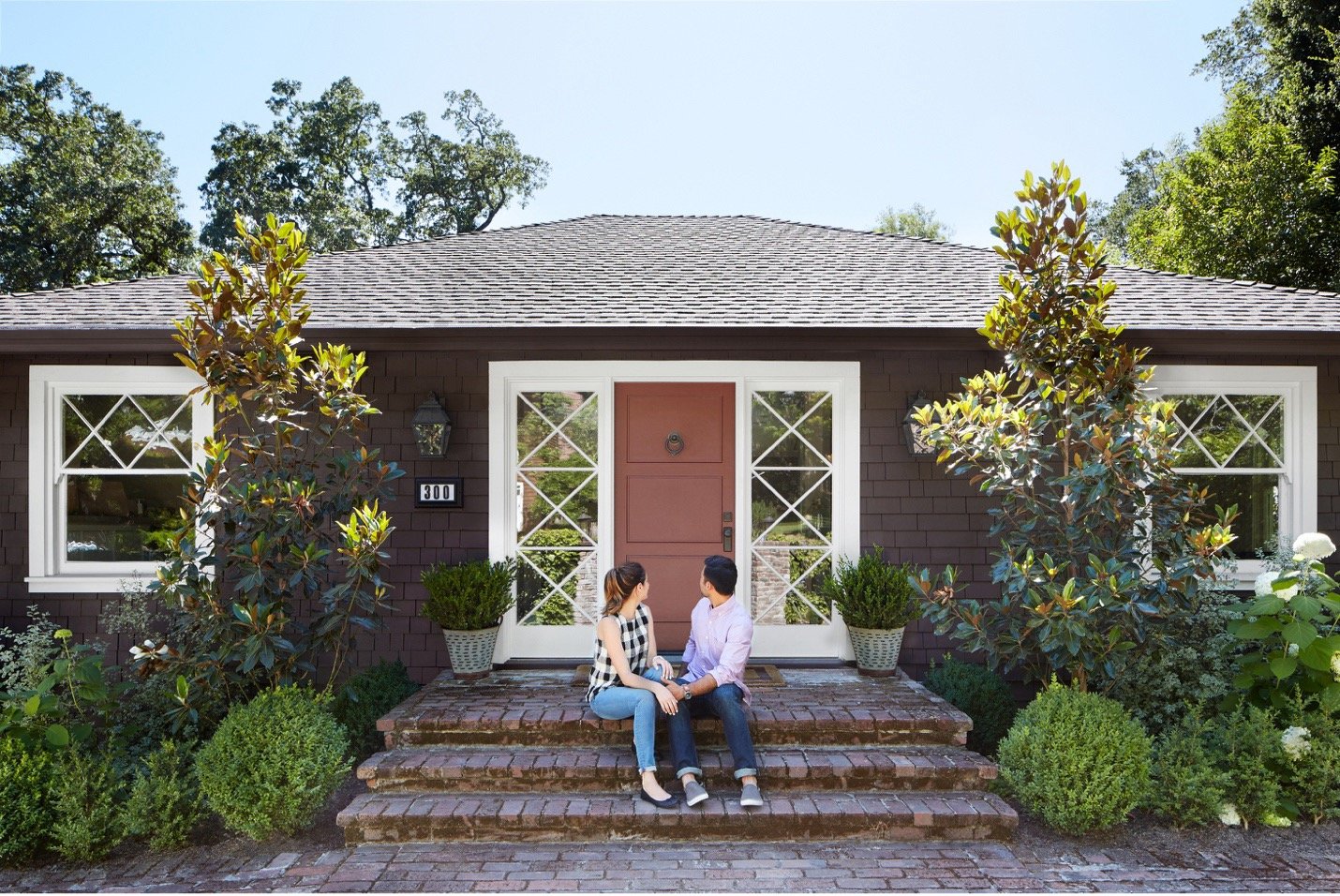
The health of indoor air is influenced by what happens outdoors. Mold, mildew, pollen, and pollutants can enter the home through damaged siding, clogged gutters, or poorly sealed windows and doors. When moisture builds up on exterior surfaces, it creates conditions where mold spores thrive.
Regular exterior cleaning and repairs help reduce these risks. Keeping gutters clear prevents water from pooling near foundations and walls. Maintaining siding and trim limits moisture intrusion. These actions support cleaner indoor air, which is especially important for people with allergies, asthma, or respiratory sensitivities.
Preventing Moisture and Structural Stress
Water damage is one of the most common exterior-related health threats. Small leaks or cracks may seem harmless, but over time they can weaken structures. These conditions encourage mold growth.
Roof condition plays a major role here. Working with a qualified roofing company to address worn shingles or flashing helps prevent leaks before they spread. Preventive maintenance reduces the likelihood of sudden repairs that disrupt daily life and compromise living conditions.
Outdoor Spaces and Mental Well-Being
Exterior maintenance affects how people use and enjoy outdoor spaces. Clean walkways, stable steps, and maintained patios create environments that feel safe and inviting. When outdoor areas are neglected, they are used less often.
Spending time outside supports mental health by reducing stress and encouraging movement. A well-kept exterior removes barriers to using these spaces regularly. Even small details, such as trimming overgrown plants, can make outdoor areas feel more accessible.
Safety and Injury Prevention
Loose pavement, rotting wood, poor lighting, and damaged stairs increase the risk of slips and falls. Exterior maintenance directly reduces these hazards. For households with children, aging family members, or frequent visitors, safety improvements matter even more.
Good lighting around entrances and pathways improves visibility and reduces periods. These preventative steps protect physical health while reducing anxiety about potential accidents.
Stress Reduction Through Reliability
A neglected exterior can create ongoing low-level stress. Concerns about leaks, pests, or surprise repairs often linger in the background. This mental load affects sleep, focus, accidents. Repairing damaged surfaces prevents injuries that can lead to long recovery and overall well-being.
Consistent maintenance replaces uncertainty with reliability. Knowing that the home is structurally sound and protected allows homeowners to focus energy elsewhere. For many women managing multiple responsibilities, that sense of stability supports emotional balance.
Exterior maintenance is not just about appearances. It supports air quality, safety, mental health, and daily comfort. By treating upkeep as part of a healthy home routine, homeowners create environments that protect both wellness and peace of mind. Look over the infographic below for more information.
