Your Grocery Cart Leaves A Footprint: How Food Choices Shape The Environment
Groceries play a quiet but powerful role in shaping environmental outcomes. Every item placed in a cart reflects choices about farming, transportation, packaging, and waste. For many women managing households, groceries are a daily responsibility that blends health, budget, and convenience. The environmental impact tied to these purchases extends beyond the kitchen, influencing air quality, water use, and climate patterns. Recognizing how routine shopping habits affect the planet helps turn everyday decisions into meaningful actions without adding pressure or guilt.
Food Production and Resource Use
Food production sits at the center of grocery-related impact. Different foods require different levels of land, water, and energy. Animal-based products generally demand more resources due to feed production and emissions, while plant-based foods often have a lighter footprint. Farming methods also matter. Conventional systems may rely heavily on chemicals that affect soil and waterways, while regenerative approaches focus on soil health and biodiversity. These upstream factors shape the environmental cost of what ends up on store shelves.
Transportation, Storage, and Energy Demand
Transportation and storage add another layer. Many grocery items travel long distances before purchase, increasing fuel use and emissions. Refrigeration and freezing require continuous energy, especially for meat, dairy, and prepared foods. Facilities such as a frozen food fulfillment center help maintain safety and quality, but they also depend on reliable power and efficient systems. Seasonal and locally grown foods usually require less storage time and transportation, which lowers overall environmental impact.
Packaging and Waste Visibility
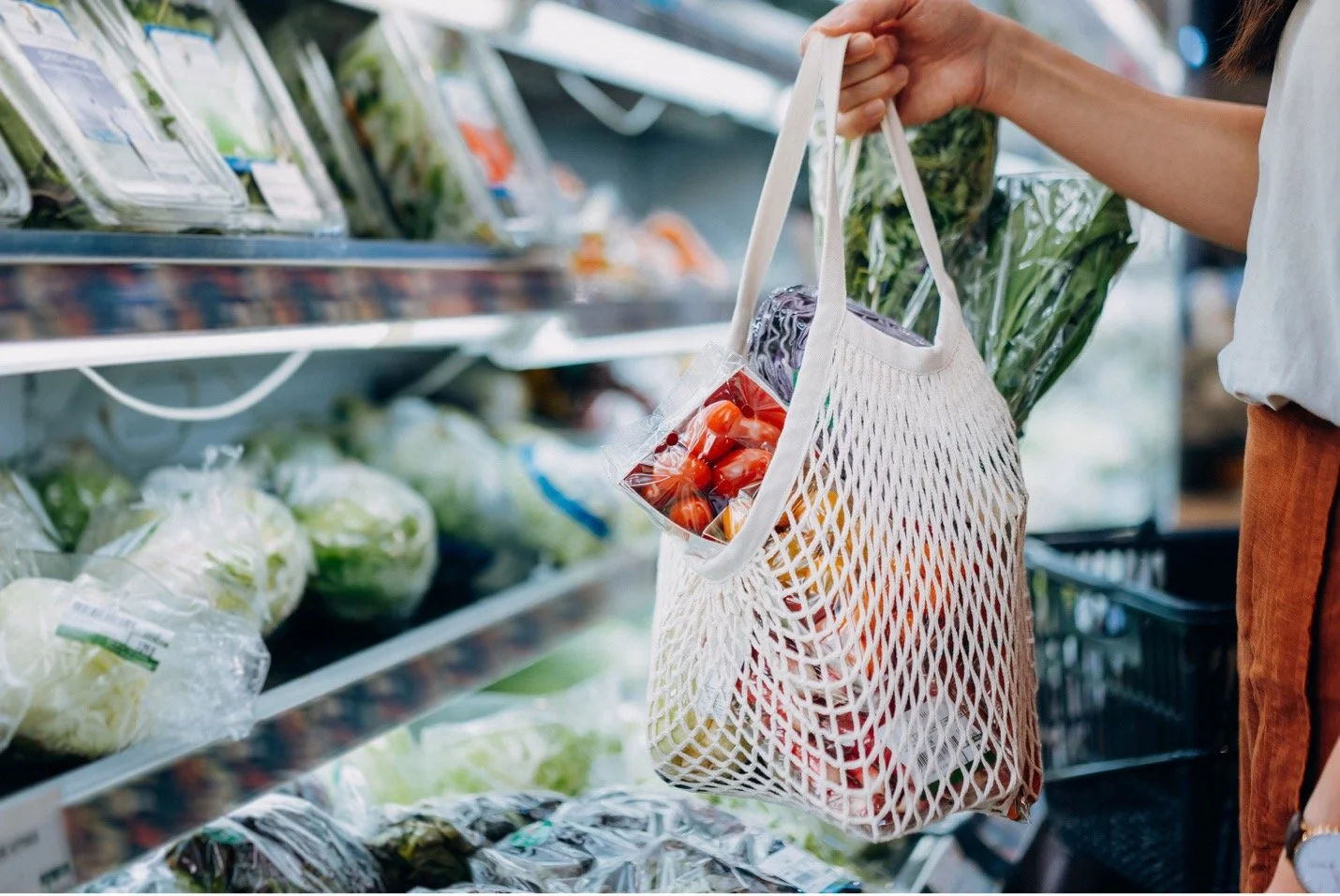
Packaging is one of the most visible environmental issues tied to groceries. Plastic wraps, trays, and multilayer materials protect food but often end up in landfills. Recycling options vary by location, which makes disposal inconsistent. Buying produce with minimal packaging, choosing refill options, and reusing bags reduce waste. Packaging choices influence how long food lasts, but excess materials increase environmental strain long after the food is consumed. These materials also affect wildlife, waterways, and waste management systems.
Food Waste at Home
Food waste inside the home carries its own environmental cost. Discarded groceries represent wasted water, labor, fuel, and packaging. When food breaks down in landfills, it releases methane, a potent greenhouse gas. Planning meals, storing food properly, and using leftovers more intentionally help limit waste. Composting food scraps further reduces landfill use while returning nutrients to the soil. These habits also save money, reduce shopping frequency, and encourage greater awareness of portion sizes across busy households nationwide today.
Groceries sit at the intersection of daily routines and environmental impact. The foods brought home each week influence resource use, energy demand, and waste far beyond the household. While large systems shape how food is produced and distributed, consumer patterns still matter. Choosing foods with lower transportation needs, reducing packaging waste, and limiting food disposal all contribute to measurable environmental outcomes over time. These choices do not require dramatic lifestyle changes, only steady awareness built into everyday shopping habits. For more information on how your groceries can impact the environment, feel free to look over the accompanying resource below.
