Timing The Wild: A Traveler’s Guide To Nature’s Best Wildlife Moments
Wildlife encounters often become the most memorable part of travel. Timing plays an important role in these experiences because many species follow seasonal patterns. Learning when animals are most visible helps visitors approach nature experiences with greater awareness and respect for the habitats they explore.
Spring
Spring is one of the most active seasons for wildlife across many regions. As temperatures rise, animals emerge from winter dormancy and begin breeding cycles. Birds become particularly visible during this time as migration routes bring large populations across continents.
Wetlands and coastal areas often attract bird watchers in spring. Species such as herons, cranes, and migratory songbirds gather in feeding areas as they travel between seasonal habitats. National parks and wildlife refuges frequently see increased activity during these months.
Young animals also begin to appear in spring. Deer, elk, and other mammals often give birth during this season. Travelers should maintain a respectful distance and follow park guidelines to protect wildlife families.
Summer
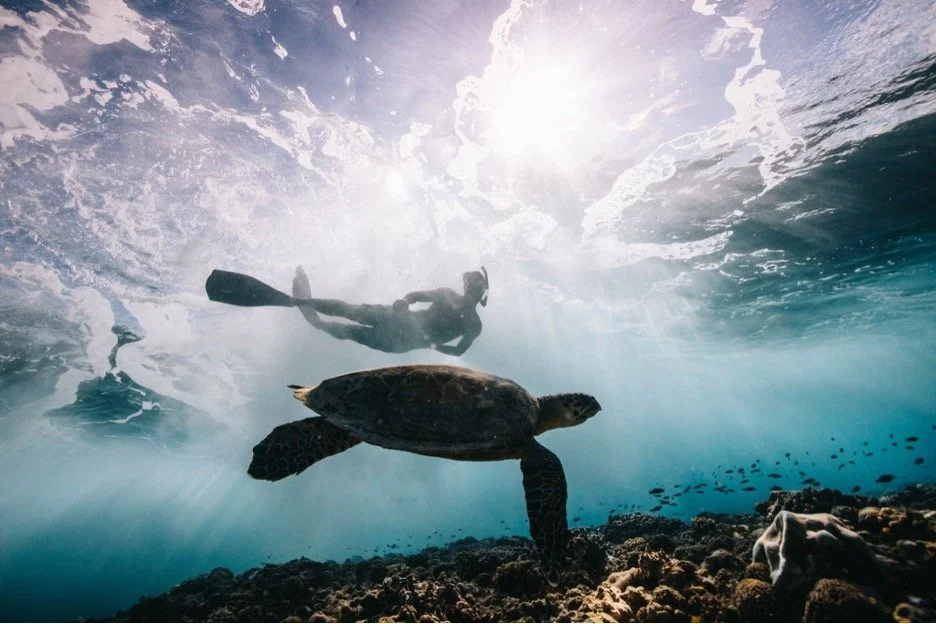
Summer offers excellent opportunities for observing marine animals and coastal wildlife. Warmer weather draws travelers to ocean destinations where whales, dolphins, and sea turtles may be visible.
Whale watching often peaks during summer months in many regions because migration routes bring large marine mammals closer to shore. Boat tours and coastal viewpoints provide opportunities to witness breaching whales or pods of dolphins traveling together.
Sea turtle nesting season also occurs during the summer along many coastlines. Female turtles come ashore at night to lay eggs on sandy beaches. Conservation programs often guide visitors on responsible viewing practices that protect both turtles and nesting areas.
Autumn
Autumn brings dramatic wildlife events as animals prepare for colder weather. Migration patterns once again dominate bird activity, with large flocks traveling south to warmer climates.
Salmon runs represent another major wildlife event during the fall. In regions where salmon return from the ocean to freshwater rivers, visitors may witness fish moving upstream in large numbers. Bears and other predators often gather near rivers during these runs, creating opportunities to observe natural feeding behavior.
Travelers interested in international wildlife destinations sometimes plan autumn trips through organized Australia travel packages, where seasonal conditions can align with whale migration or wildlife activity in national parks.
Winter
Winter travel provides a different type of wildlife experience. Many animals remain active in cold environments even when landscapes appear quiet. Snow-covered terrain can make it easier to track animal movements through visible footprints and trails.
Northern regions offer opportunities to observe species adapted to colder climates. Wolves, moose, and certain bird species remain active throughout the winter months. Guided wildlife tours often help travelers locate these animals safely.
Marine wildlife also remains active during winter in some coastal areas. Gray whale migrations along certain coastlines attract visitors who hope to witness large numbers of whales moving between feeding and breeding grounds.
Wildlife travel becomes more rewarding when timing aligns with natural seasonal patterns. Travelers who plan around these wildlife windows often gain a deeper appreciation for the rhythms of nature. Look over the infographic below for more information.
