Ultherapy vs. Other Non-Surgical Skin Tightening Treatments: What to Consider
Picture a woman in Dallas, TX, glancing at a video call and noticing that her jawline looks softer than it did a few years ago. She isn’t ready for surgery, and she doesn’t want weeks of recovery, but she’s curious about her options. A quick search shows ultrasound, radiofrequency, lasers, microneedling and more, all promising firmer skin, and each one sounds a little different.
This friendly guide compares Ultherapy with other popular non-surgical choices, so you can see how they work, what separates them and which questions matter most before you book. It is general information, not medical advice, and a licensed professional should guide any decision about your own skin.
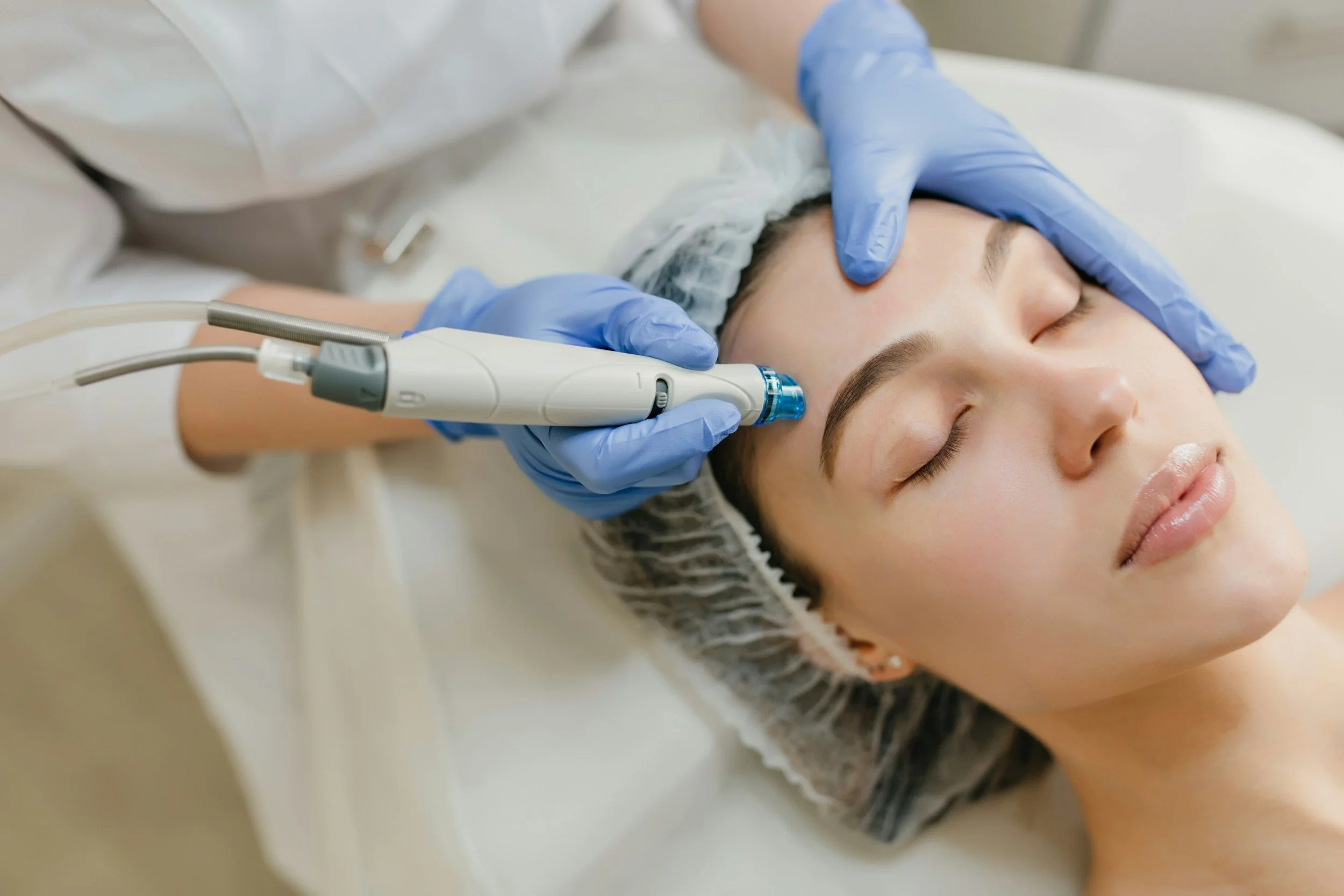
The Main Types of Non-Surgical Tightening
Most non-surgical options use some form of energy to warm tissue beneath the skin’s surface and encourage the body to build new collagen over time. They differ in which energy they use and how deep it reaches:
Focused ultrasound (such as Ultherapy): sound energy delivered at specific depths beneath the skin, often guided by imaging
Radiofrequency (RF): electrical energy that heats the skin and the layers just below it
RF microneedling: tiny needles that deliver RF energy into the skin
Laser and light-based treatments: light energy aimed at texture, tone and surface-level tightening
Injectables and skin boosters: products placed in the skin to add volume or support, sometimes combined with energy treatments
No single option is “best” for everyone.
How Ultherapy Compares Head to Head
Ultherapy is a focused-ultrasound treatment for lifting and tightening, usually discussed for the brow, face, jawline, chin and neck. Compared with the other choices, a few differences tend to come up:
Depth: ultrasound can be directed below the surface to deeper support layers, while many lasers and surface RF treatments work closer to the top
Sessions: ultrasound is often discussed as a single session with a gradual response, while RF, laser and microneedling are commonly spread over a series of visits
Recovery: most energy-based options involve little or no downtime, but temporary redness, swelling or tenderness can happen with any of them
Results: collagen builds slowly, so changes usually appear over weeks to months, and outcomes vary from person to person
Those are general patterns, not guarantees, and two people can respond very differently.
Matching a Treatment to Your Concerns
Mild to moderate skin laxity, such as early softening along the jawline or slight brow heaviness, often leads people to explore non-surgical tightening. Fine lines, uneven texture and sun damage may respond better to laser treatments or microneedling, while volume loss may be addressed with injectables. Understanding which concern matters most can help narrow your options and avoid choosing a treatment that does not address your primary goal.
Many Dallas residents begin by researching Ultherapy near Dallas, TX and comparing it with radiofrequency or laser treatments during a consultation. SozaMD is one local practice people may encounter while exploring these options. A qualified provider can assess your skin, explain the likely benefits and limitations of each approach, and determine whether a single treatment or a combination may be appropriate. The aim is to choose a plan that suits your needs, budget and expectations rather than following a trend.
Safety, Regulation and Realistic Risk
Every energy-based device has risks, and regulators pay attention to them. The FDA notes that microneedling devices are cleared for uses such as facial acne scars and wrinkles in patients aged 22 or older, and it advises people to choose a provider who is specially trained and to ask how the device is cleaned between patients. That page covers microneedling, not Ultherapy, and it lists no complication rates, so it shows what to ask rather than how often problems occur. The FDA has also warned about burns, scarring and nerve damage with radiofrequency microneedling, so ask who performs your treatment and with which device.
Common side effects are usually mild and short-lived, such as redness or tenderness, but rare problems are possible. Treatment is not right for everyone, so share your full medical history and medications.
Questions to Ask at Your Consultation
A good consultation is a conversation, not a sales pitch. Bring a short list, and consider asking:
Which concern am I treating, and why do you suggest this option over the others?
How many sessions should I expect, and what does follow-up look like?
Who performs the treatment, and what is their training?
What are the risks and temporary side effects for someone like me?
What can I realistically expect, and when?
Write down the answers and compare them across providers.
Cost, Timing and Realistic Expectations
Prices vary widely, so ask for a written breakdown. Cost usually depends on the treatment area, number of sessions, device and provider, and insurance rarely covers cosmetic procedures. Ask, too, how soon you can return to normal activities and when results typically show.
Non-surgical tightening produces subtle, gradual changes, not the dramatic difference of a facelift. Daily sunscreen and good skincare help protect whatever results you get.
Conclusion
Ultherapy, radiofrequency, lasers and microneedling all aim to firm the skin without surgery, but they work at different depths, follow different schedules and suit different concerns. The best choice depends on your skin, your goals, your budget and your comfort with risk, which is why a thoughtful consultation matters more than any single brand name. Do your reading, ask direct questions, compare more than one opinion and choose a licensed professional who explains things clearly. With realistic expectations and the right guidance, you can decide with confidence what, if anything, is right for you.